

2026-05-27 Author:Ofiexperts
The office is no longer a mandate. It’s a choice. And that single shift changes everything. For years, workplaces were optimized around efficiency: more desks, tighter layouts, better utilization rates. People showed up because they had to. Now, after remote work proved one undeniable truth, “ work can happen anywhere”, the office has to earn its place in people’s lives again.
If people are going to commute, swipe a badge, and give up the comforts of home, the workplace needs to offer something they want, not just something they need.
Choice Is the New Productivity
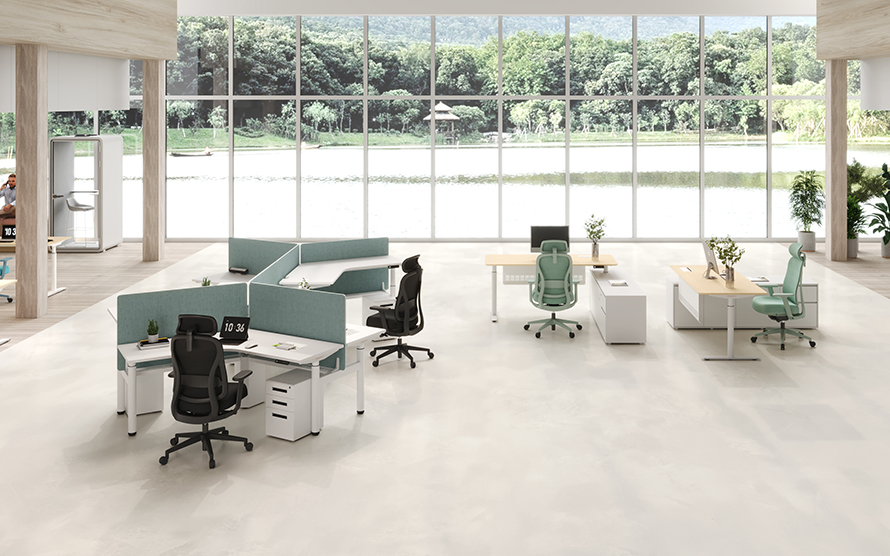
People don’t resist offices. They resist lack of control. The most successful workplaces today are designed around choice. Choice to focus or collaborate. Choice to sit, stand, move, or reset. Choice to be visible or invisible for a moment. When people can decide how they work, productivity stops being forced and starts becoming natural. Rigid layouts send a clear message: “Adapt to the space.” Flexible environments say: “The space adapts to you.” And guess which one people come back to?
Comfort Is Not a Perk. It’s Infrastructure.
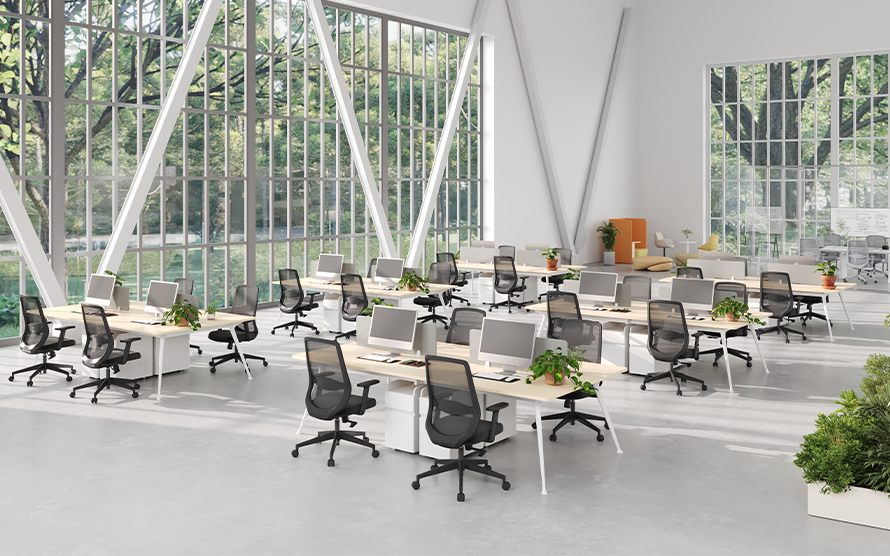
Let’s be honest. Uncomfortable offices quietly drain energy. Bad chairs. Glare on screens. Noise that never stops. These things don’t just annoy people, they exhaust them. When physical discomfort becomes part of the daily routine, people associate the office with friction. Remote work, by comparison, feels merciful.
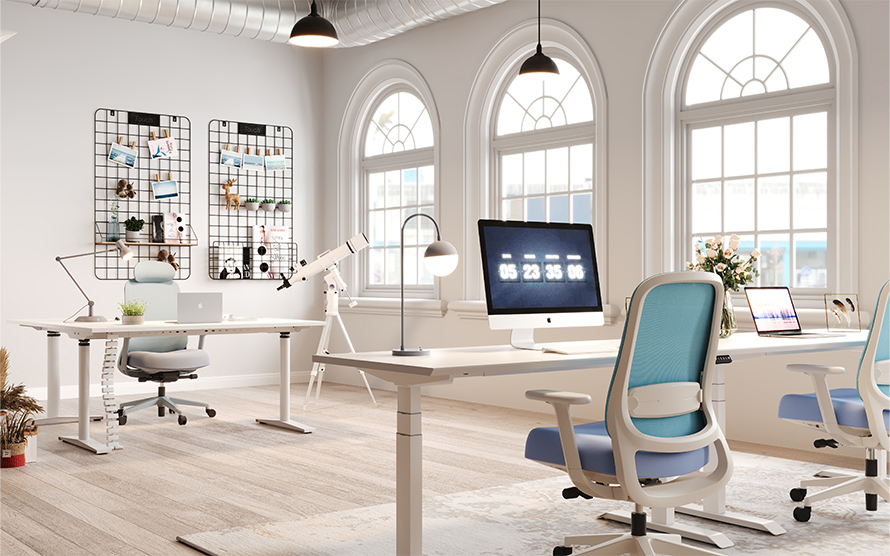
Designing a return-worthy workplace means treating ergonomics, acoustics, and lighting as foundational, not optional. Comfort doesn’t make people lazy. It allows them to stay longer, think clearer, and collaborate without burning out by 3 p.m. A workplace that feels good to be in doesn’t need motivational posters. The space itself does the convincing.
The Office as a Social Anchor, Not a Surveillance Tool
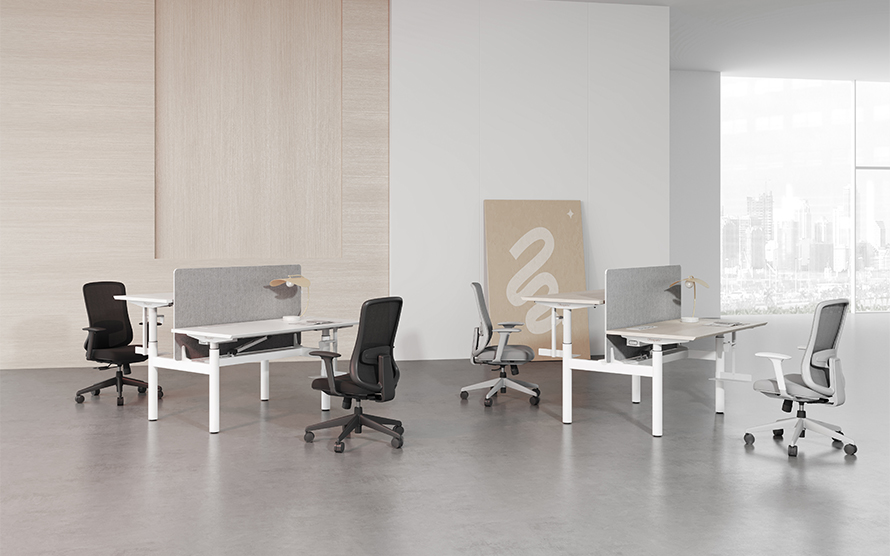
If the office tries to replicate home productivity, silent rows, constant monitoring, zero personality, it will lose. Every time. What the office does best isn’t individual task execution. It’s human connection.Spontaneous conversations. Reading body language. Sharing momentum. Feeling part of something larger than a task list. These are hard to schedule on a video call and impossible to fake.
That means offices should prioritize spaces that support interaction without forcing it. Informal meeting areas. Semi-private zones. Quiet rooms for decompression. The goal isn’t to make people collaborate more, it’s to make collaboration easier when it matters. No one wants to be watched. People want to be supported.
Trust Is a Design Principle
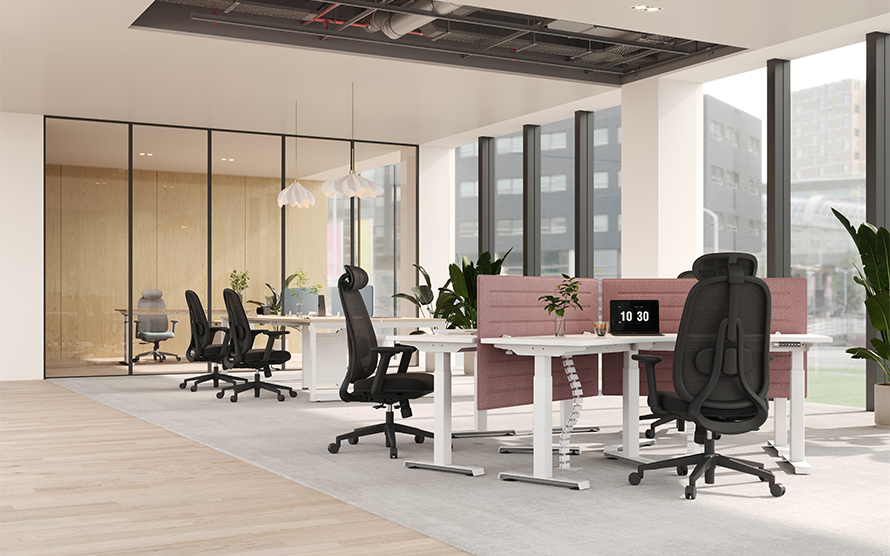
Here’s the uncomfortable truth: if leadership doesn’t trust people, no amount of design will fix that. But design can signal trust. When a workplace allows movement, flexibility, and autonomy, it sends a powerful message: “We trust you to manage your time and energy.” That trust often comes back multiplied. People who feel respected tend to act responsibly. People who feel controlled look for exits. Return-to-office strategies fail when they rely on obligation. They succeed when they align space, culture, and intent.
Designing for the Long Game
Trends come and go. What lasts is how a space makes people feel over time.
A workplace people choose to return to is not louder, flashier, or more complicated. It’s calmer. Clearer. More human. It respects different working styles and changing energy levels throughout the day. The future office isn’t about pulling people back. It’s about inviting them in. And when the space genuinely supports how people think, move, and connect, the choice becomes easy.
They don’t return because they’re told to.
They return because it works for them.

