

2026-07-20 Author:Ofiexperts
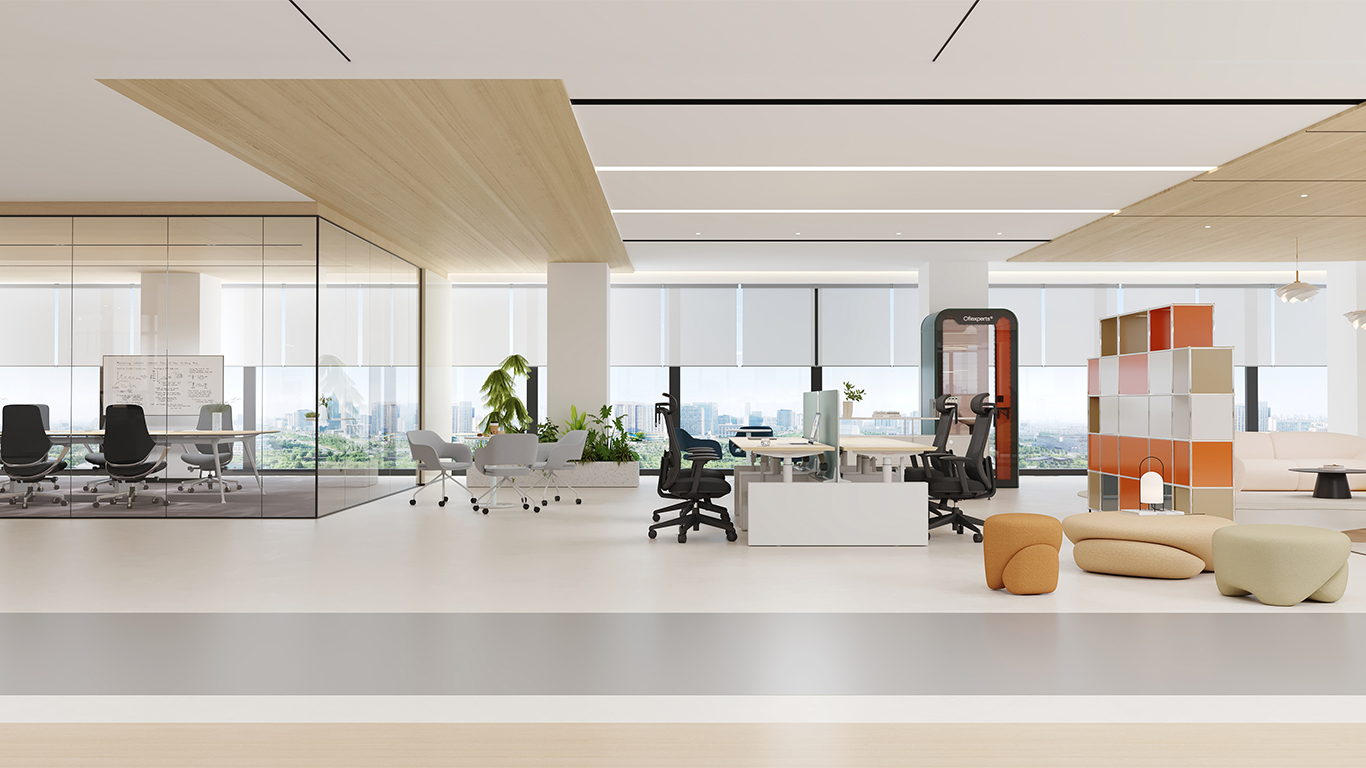
For decades, the relationship between office workers and their desks was purely transactional. A desk was a flat surface to hold a computer; a chair was simply a place to sit. However, as the physical boundaries of the corporate office have dissolved into hybrid and remote structures, we are witnessing a quiet revolution. Work is no longer just supported by furniture; it is being actively reshaped by it. Today, the furniture we choose does not just occupy space—it sets the rules of how, where, and how well we work.
Historically, office design favored a “one-size-fits-all” approach, optimizing space efficiency at the expense of human biology. The consequences of this static environment have been costly. According to research from the Global Wellness Institute, businesses that actively embed physical well-being into their organizational design report productivity increases of 20% to 25%. Conversely, outdated setups carry a heavy financial burden: musculoskeletal disorders (MSDs) caused by poor posture result in billions of dollars of lost productivity annually, with studies showing that over 60% of desk-bound employees regularly experience posture-related discomfort.
This reality has catalyzed a massive shift toward “active workspaces,” driving the global ergonomic furniture market to an estimated $23.72 billion in 2026. Furniture is no longer a passive asset; it has become a health-intervention tool with a quantifiable return on investment.
Nowhere is this shift more evident than in the rise of dynamic, adjustable installations. The modern standing desk is a prime example of furniture rewriting the daily routine. A systematic review published in SAGE Journals found that users of sit-stand desks naturally reduced their sedentary time by an average of 77.7 minutes per day. This movement does more than just alleviate physical strain; it unlocks cognitive potential. Longitudinal research by the Texas A&M Health Science Center revealed that employees utilizing height-adjustable desks saw a 23% boost in productivity within the first month, a figure that climbed to a remarkable 53% over a six-month period. By enabling a fluid transition between sitting and standing, the desk itself dictates a more dynamic, high-energy workflow.
Similarly, the humble office chair has undergone a technological evolution. Modern task chairs have transitioned from manual, static adjustments to “always-on dynamic adaptation”. Advanced seating systems feature self-weighing mechanisms and responsive lumbar calibrations that adapt to microscopic spinal movements in real time. These micro-adjustments prevent the physical fatigue that derails deep-focus work. Industry data suggests that upgrading to high-performance ergonomic seating yields an average 15% increase in employee focus and a 12% to 30% reduction in absenteeism. When a chair dynamically shares the physical load of a long workday, the mind is freed to sustain higher cognitive performance.
Ultimately, as corporate models solidify into structured hybrid frameworks, the strategic focus has shifted from managing real estate to optimizing human potential. The companies winning this transition understand that physical comfort is the baseline for mental agility. When we invest in high-caliber, adjustable, and intuitive furniture, we are doing far more than decorating an office. We are establishing a new set of rules: rules that reject physical stagnation, champion cognitive longevity, and prove that the best way to elevate work is to elevate the physical platform upon which it stands.

