

2026-10-09 Author:Ofiexperts
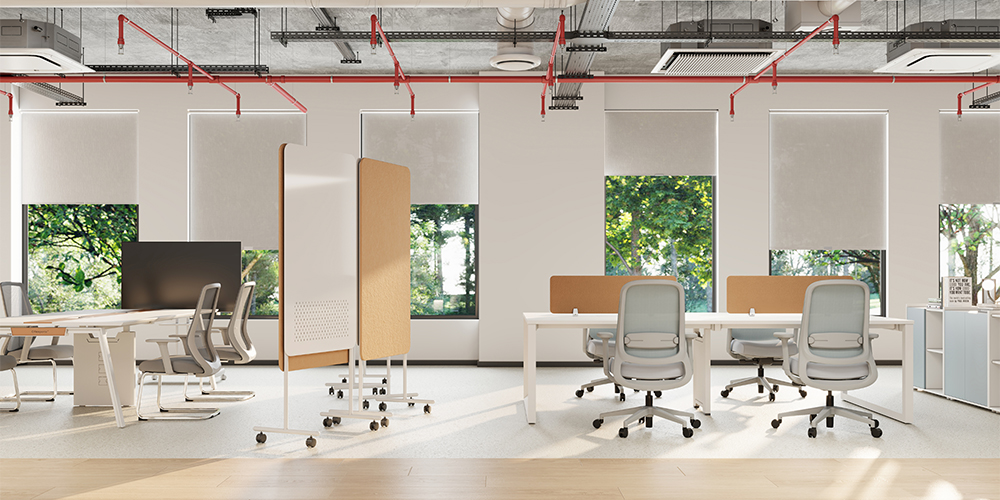
Office furniture is often treated as a one-time business expense. A company chooses a desk, chair, or storage system, places the order, and moves on to the next priority.
But this approach can be misleading.
Office furniture is used every working day, often for many years. Its quality affects not only the appearance of a workplace, but also employee comfort, maintenance costs, productivity, and the ability to adapt as a company grows. For this reason, office furniture should be considered a long-term investment rather than simply a purchase.
The Real Cost Goes Beyond the Price Tag
A lower purchase price does not always mean a lower total cost.
A chair that needs to be replaced after two years may ultimately cost more than a well-designed chair that remains functional for five or more years. The same applies to desks, workstations, and other frequently used products.
This is why businesses should consider total cost of ownership, including purchase price, expected service life, maintenance, replacement frequency, and operational disruption.
Durability becomes particularly important in workplaces with high daily usage. Stronger materials, reliable mechanisms, replaceable components, and proper quality control can reduce the frequency of replacement and help companies get more value from their investment.
Comfort Is a Business Consideration
Employees spend a significant part of their working day using office furniture, especially task chairs and desks. Poorly designed furniture can contribute to discomfort and fatigue, while ergonomic solutions are designed to better support different working postures and body types.
This is one reason ergonomic features such as adjustable lumbar support, seat depth adjustment, armrests, height adjustment, and sit-stand desks have become increasingly common.
The goal is not simply to make an office look better. It is to create a working environment that supports people throughout the day.
Flexible Furniture Has Longer-Term Value
Workplaces are constantly changing. Teams grow, working patterns evolve, and office layouts are redesigned.
Furniture that can adapt to these changes can therefore provide more long-term value.
Height-adjustable desks, modular workstations, mobile storage, and flexible meeting furniture can be rearranged or repurposed instead of being replaced every time the workplace changes.
This flexibility can reduce future investment while giving companies more freedom when planning their space.
Quality Also Supports Sustainability
Longer-lasting furniture can also contribute to more responsible resource use. If products remain functional for longer, fewer replacements are required, which can reduce material consumption, transportation, packaging, and waste over the product’s lifecycle.
For businesses increasingly focused on ESG and sustainable procurement, durability should therefore be considered alongside material selection and environmental certifications.
Think Beyond the First Order
The cheapest option may win the quotation, but the best-value option often wins over the long term.
When evaluating office furniture, businesses should look beyond the initial price and ask a few simple questions: How long will it last? How easy is it to maintain? Can it adapt to future needs? Does it support employee comfort? Can individual components be replaced instead of replacing the entire product?
Office furniture is not simply something a company buys for its workplace. It is part of the infrastructure that supports people and operations every working day.
The right furniture may cost more at the beginning, but the real value is measured by what it continues to deliver long after the purchase is complete.

