

2026-06-25 Author:Ofiexperts
We often combat workplace burnout with mindfulness and time-management apps. But the missing link in the wellness conversation is often the physical foundation of our workday: our furniture.
The environment we inhabit for eight hours a day silently dictates our energy, focus, and habits. Here is how reshaping your physical workspace can pivot your daily routine from chronic burnout to sustainable balance.
The Anatomy of Burnout: Physical Friction
Burnout is as much physical as it is mental. Sitting in an unsupportive chair causes poor posture, restricts blood flow, and triggers muscle tension. By early afternoon, your body is exhausted just from fighting its environment, accelerating mental fatigue. Ergonomic furniture removes this friction, keeping your mind resilient by keeping your body supported.
Breaking the Sedentary Loop
Staying glued to a chair breeds lethargy, but dynamic furniture changes our habits automatically:
-Sit-Stand Desks: Prompt a natural transition between sitting and standing, boosting circulation and beating the afternoon slump.
-Active Task Chairs: Adapt to micro-movements, preventing static muscle stiffness during deep focus.
-High-Top Collaboration Tables: Inject movement into the day by turning standard meetings into active, standing sessions.
Creating Behavioral “Zones”
Without clear boundaries, cognitive overload sets in. Thoughtfully arranged furniture creates visual cues that help the brain transition between different modes of work:
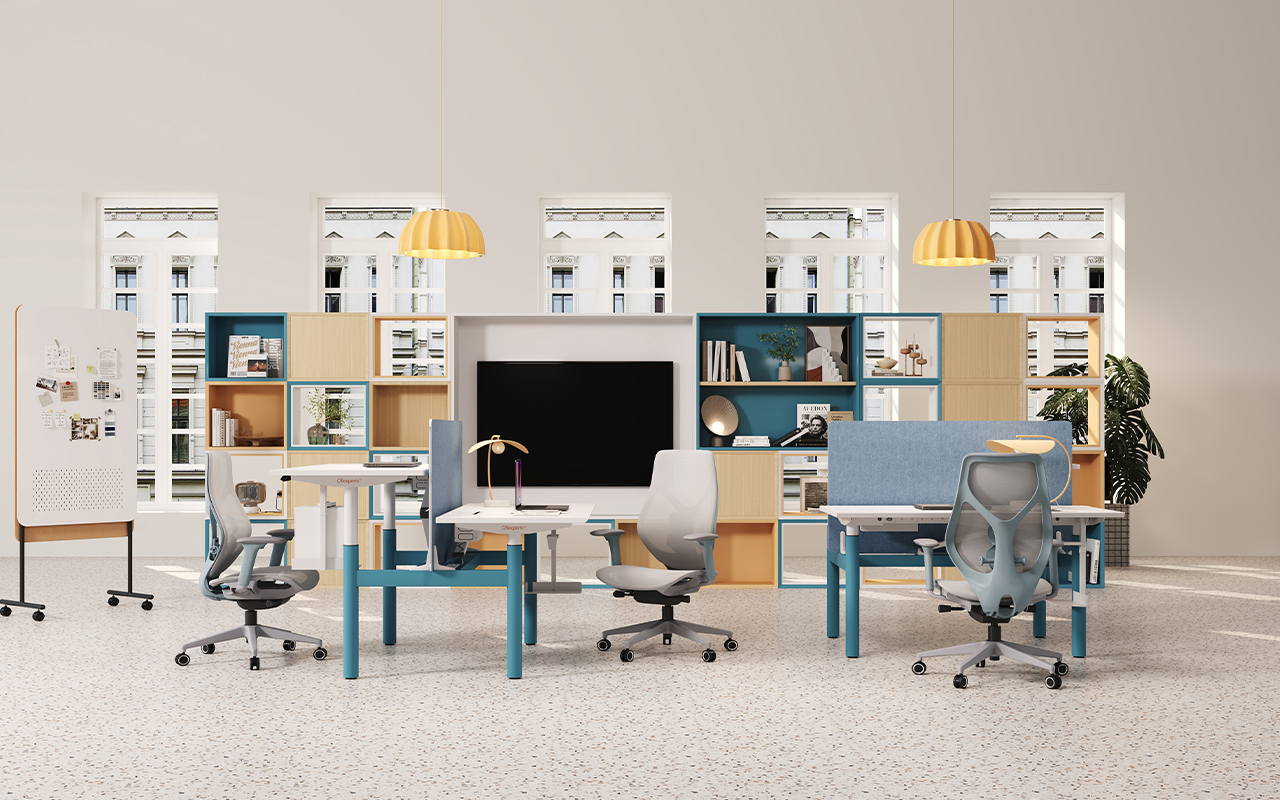
-Focus Zone: A high-performance task chair and adjustable desk signal the brain it’s time for deep, uninterrupted work.
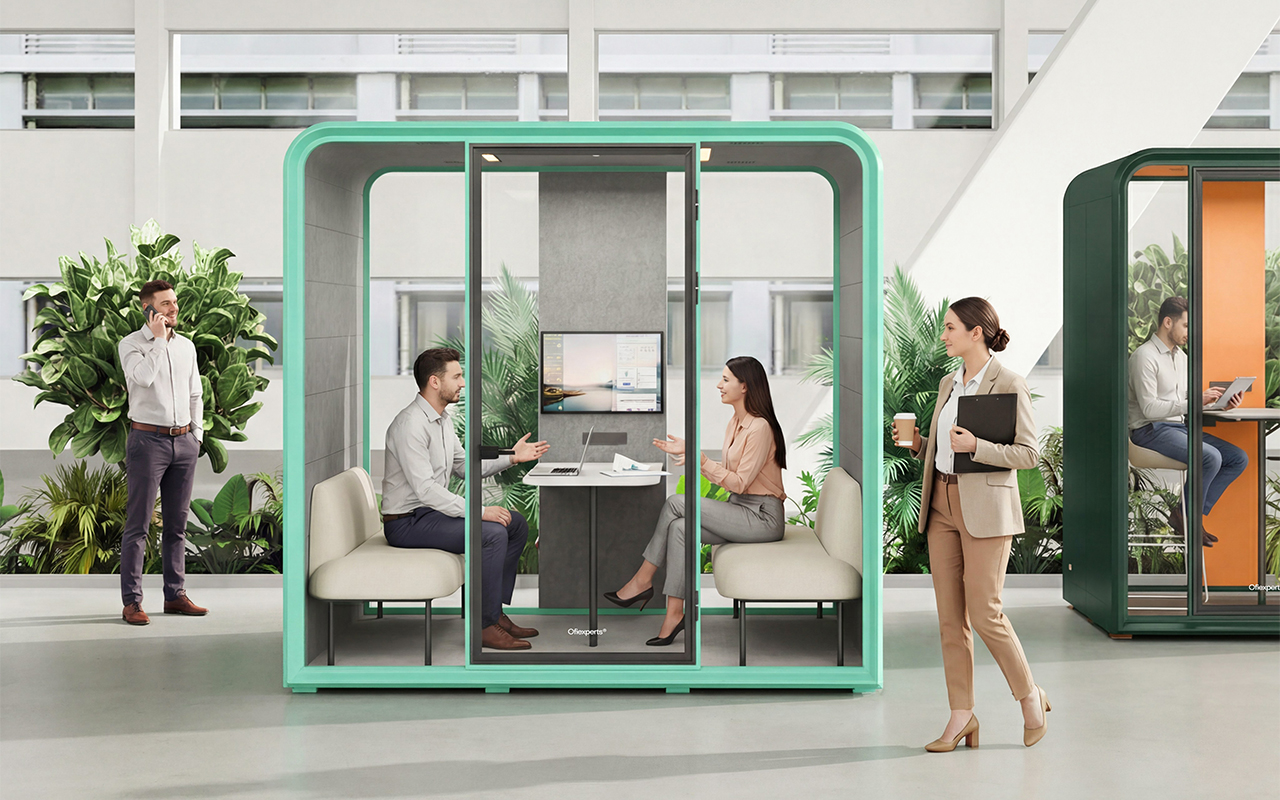
-Decompression Zone: A comfortable lounge chair or acoustic booth offers a clear cue to step away, detach, and genuinely recharge.
To beat burnout, we must look at where we spend our time. Furniture is more than just an office utility—it is a tool for behavioral change. When your workspace works with your body rather than against it, balance becomes a natural daily reality.

