

2026-04-30 Author:Ofiexperts
Office design is never just about furniture, floor plans, or aesthetics. It is a physical expression of what a culture values at work, how people relate to authority, how they collaborate, how they balance focus with connection, and even how they define success. Walk into an office anywhere in the world and, before anyone speaks, the space already tells a story.
Across cultures, one pattern is clear: the workplace mirrors social norms.
Individualism vs. Collectivism
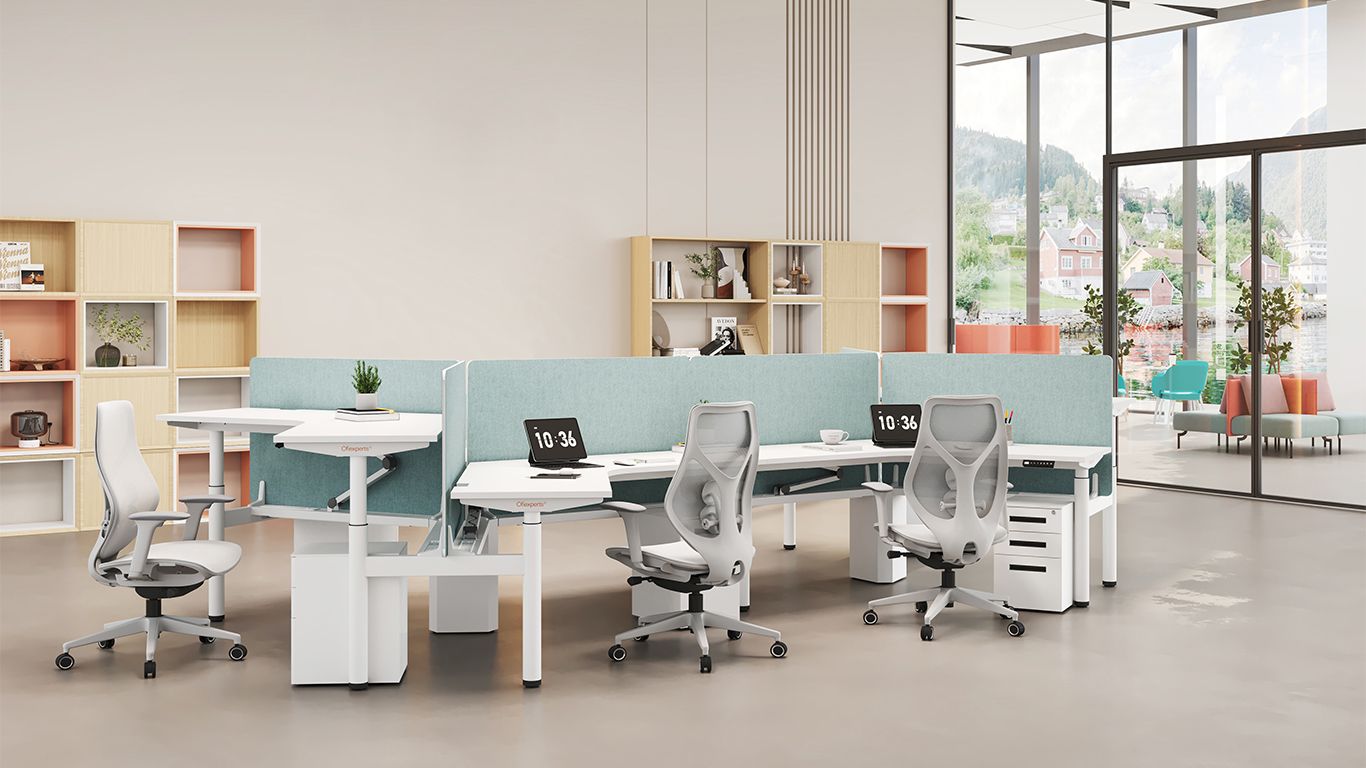
In highly individualistic cultures, such as the United States and parts of Western Europe, office design often prioritizes autonomy. Adjustable desks, personal storage, and choice-driven spaces are common. According to global workplace studies, more than 70 percent of employees in individualistic cultures say they value control over where and how they work. The rise of activity based working is not accidental. It reflects a belief that productivity comes from personal choice and self direction.
In more collectivist cultures, including many parts of East and Southeast Asia, offices tend to emphasize shared spaces. Large team tables, open work areas, and centralized meeting zones are more common. These layouts reinforce the idea that alignment and group cohesion matter more than individual expression. The space quietly says: we succeed together, not alone.
Power Distance and Hierarchy
Culture also shapes how offices express authority. In high power distance societies, hierarchy is visible. Executives may occupy private offices with solid walls, larger desks, and distinct finishes. The physical separation reinforces respect for seniority and clear decision making structures.
By contrast, in low power distance cultures, leaders often sit among their teams. Glass offices replace solid walls, or disappear entirely. Research shows that in organizations with flatter spatial hierarchies, employees are up to 25 percent more likely to speak up in meetings. The design sends a signal: leadership is accessible, and ideas matter more than titles.
Attitudes Toward Collaboration
Collaboration looks different depending on cultural expectations. In cultures where debate and rapid idea exchange are encouraged, offices feature informal meeting points, writable surfaces, and flexible furniture. Short, frequent interactions are designed into the flow of the space.
In cultures that value reflection before speaking, collaboration spaces tend to be more enclosed and intentional. Meeting rooms are acoustically controlled, and focus areas are respected. Silence is not a problem to solve. It is part of how work gets done.
Time, Pace, and Well Being
Office design also reveals how cultures relate to time and well being. In fast paced, performance driven environments, efficiency dominates. Compact layouts, dense seating, and minimal transition space reduce friction and keep people moving.
In cultures that place a higher value on balance and sustainability, offices intentionally slow people down. Natural light, biophilic elements, lounges, and quiet rooms are not perks. They are signals that recovery and long term health are part of productivity. Data consistently shows that access to daylight and comfortable break areas can improve reported job satisfaction by more than 30 percent.
Globalization Is Blurring the Lines
Today, many organizations operate across borders, and their offices reflect hybrid cultural values. A global company in Singapore may blend collaborative open spaces with private focus rooms. A European headquarters may combine egalitarian layouts with zones reserved for deep concentration. The most effective offices are not culturally neutral. They are culturally aware.
What matters is intention. When design choices align with local values, employees feel understood. When they clash, friction follows. Studies indicate that misalignment between workplace design and cultural expectations can reduce engagement by up to 20 percent, even when the furniture and technology are high quality.
The Office as a Cultural Artifact
At its best, office design is a form of listening. It translates invisible beliefs into physical form. It answers questions employees may never ask out loud: Do I belong here? Am I trusted? Is my time respected?
As work becomes more global and more human centered, the role of design is no longer to impose a single ideal workplace. It is to reflect the values of the people who use it, clearly, honestly, and thoughtfully.
Because culture does not live in policy documents. It lives in space.

