

2026-03-04 Author:Ofiexperts
Start with posture. When people are physically supported, they think longer and more clearly. A well-designed chair and desk setup reduces micro-discomforts, the constant, low-level distractions that quietly push people toward faster, safer, less imaginative choices. Comfort doesn’t make decisions lazy. It makes them deliberate.
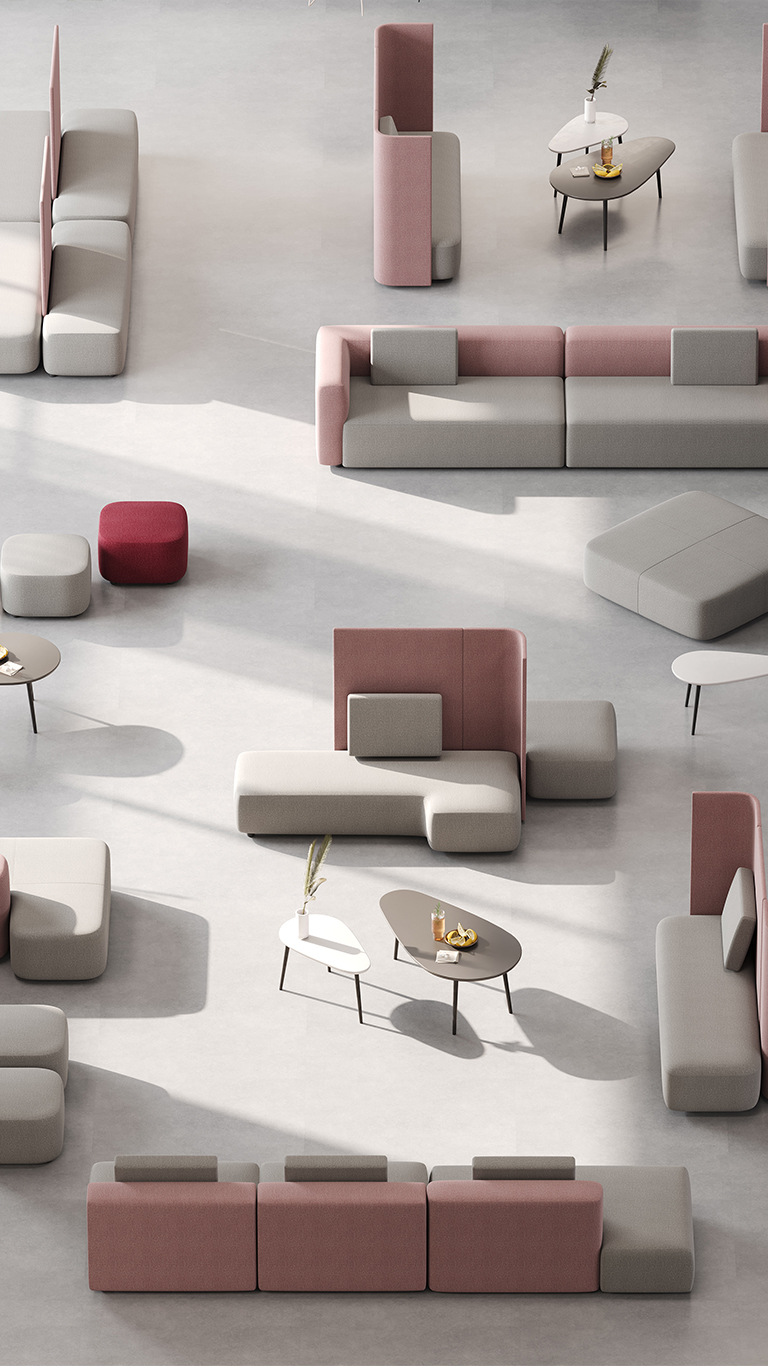
Then there’s layout. Open areas encourage alignment and speed. Enclosed spaces invite focus and judgment. When teams gather around a shared table, decisions tend to be more collaborative and iterative. When individuals step into quieter zones, decisions become more analytical, more independent. The space sets the mode before a single word is spoken.
Light matters too. Natural light supports alertness and emotional balance, both critical for weighing options and assessing risk. Poor lighting does the opposite, it narrows thinking and shortens attention spans. If people feel drained, decisions default to habit instead of intention.
Materials and acoustics play their part as well. Soft surfaces absorb noise, reducing cognitive load. When the background fades, the mind can prioritize. Hard, echoing environments keep the brain on defense, making quick conclusions feel like relief rather than compromise.
Ultimately, space doesn’t tell people what to decide. It shapes how they decide. It influences whether choices are rushed or reasoned, reactive or reflective. Good workplaces don’t try to control decisions. They create the conditions for better ones.

