

2026-01-14 Author:Ofiexperts
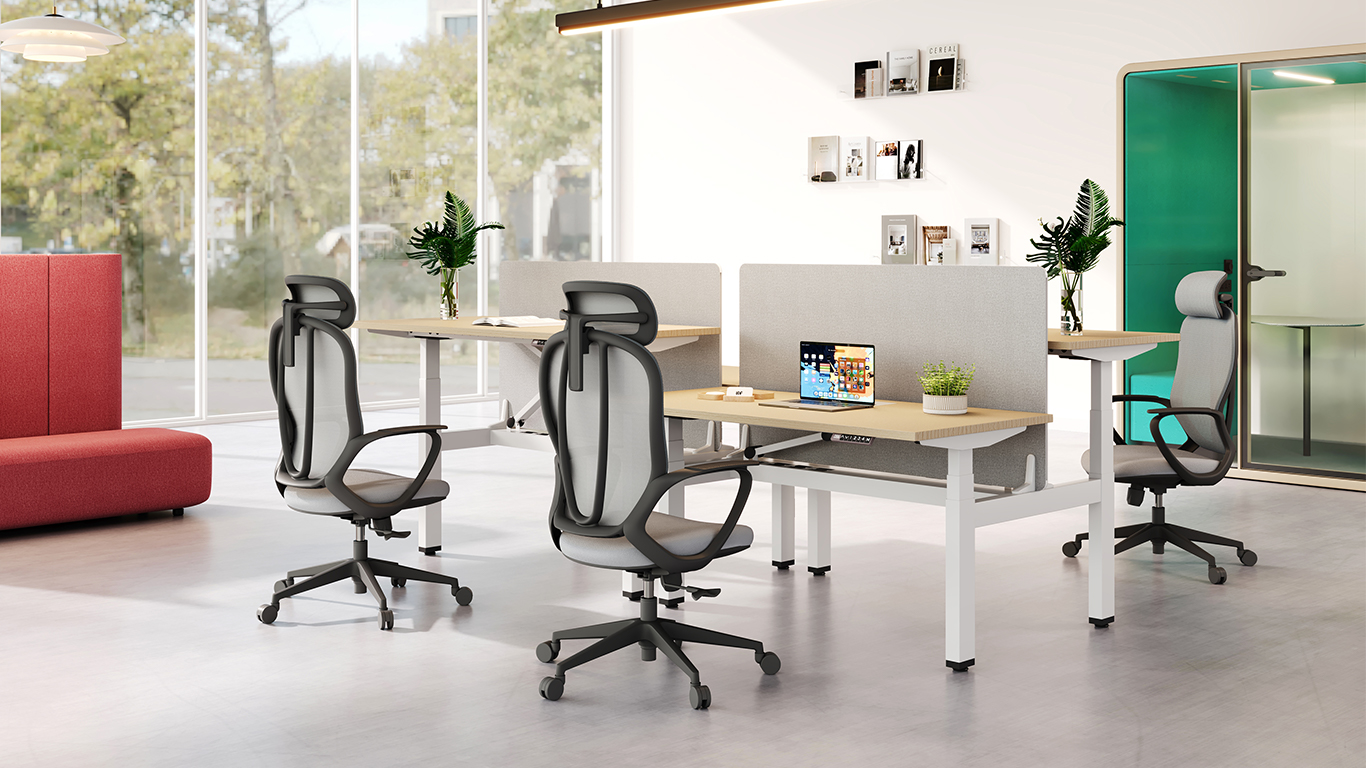
Hybrid work is no longer an experiment. It is the default. Teams move fluidly between home, office, and third spaces, and the office itself has shifted roles. It is no longer just a place to sit and work. It is a place to connect, focus, collaborate, and recover. The challenge is real and slightly uncomfortable: how do we design offices that support both high efficiency and real privacy, without turning the space into a maze of walls or a sea of noise?
The answer is not choosing one over the other. It is designing for both, intentionally.
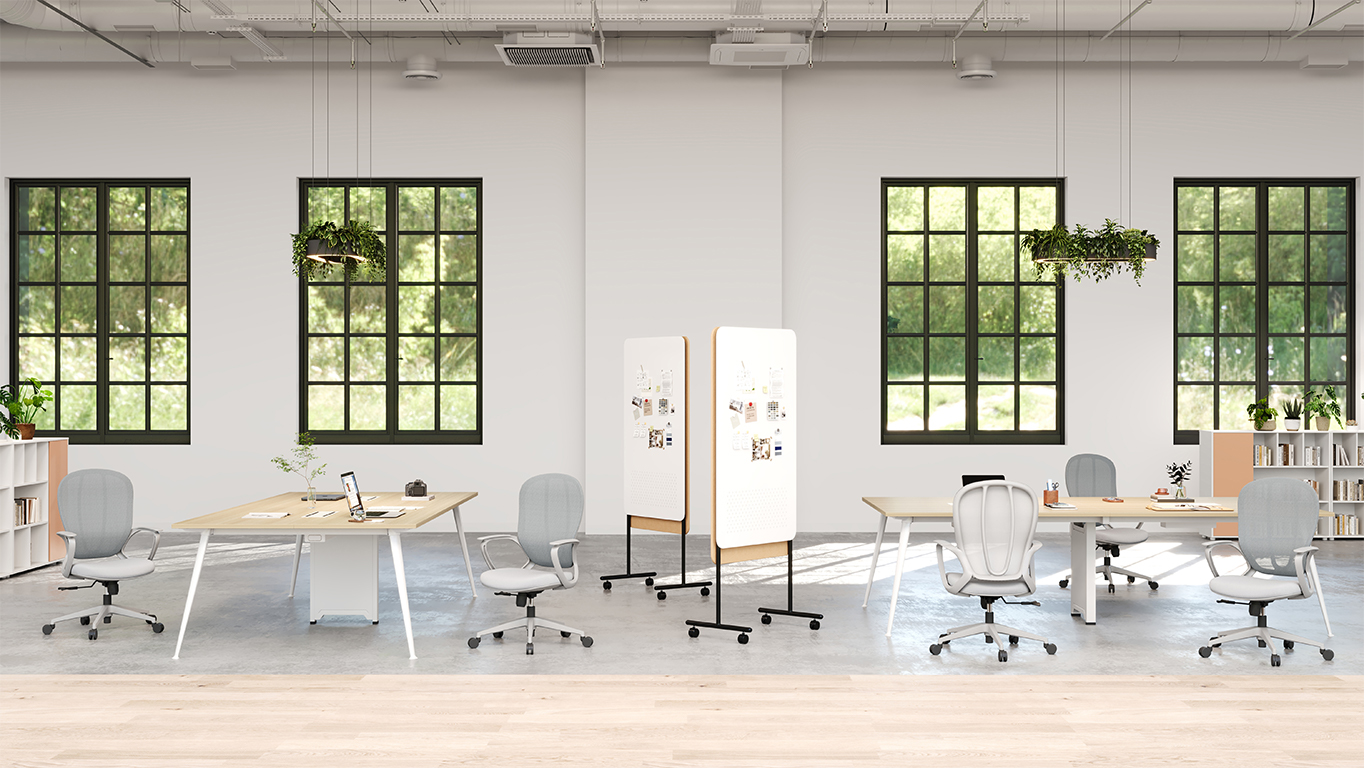
In the hybrid era, efficiency is often misunderstood as fitting more people into less space. In reality, efficiency comes from reducing friction. Friction between tasks. Friction between people. Friction between focus and interruption.
Efficient offices support different modes of work throughout the day. Quick check ins. Deep individual focus. Informal problem solving. Scheduled collaboration. When spaces are clearly designed for specific behaviors, people spend less time adapting and more time doing meaningful work.
Open collaboration zones close to team areas reduce unnecessary movement. Shared resources are easy to access without disrupting others. Furniture and layouts signal how a space should be used, without the need for rules or reminders.
When flow is right, efficiency follows naturally.
In open environments, privacy used to be optional. In hybrid offices, it is essential.
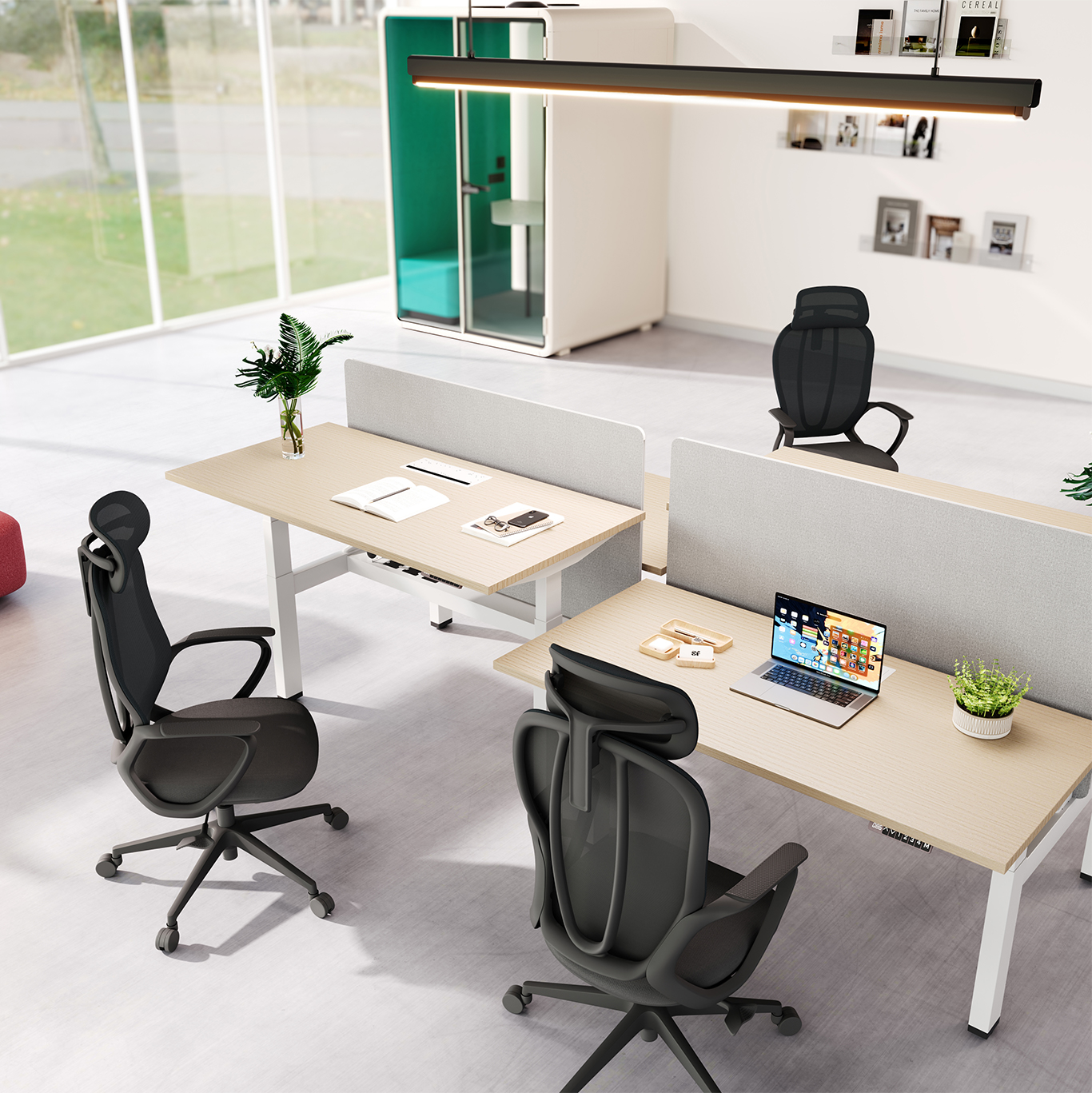
Privacy today is not just about visual separation. It is acoustic, psychological, and digital. Employees need places where they can think clearly, take sensitive calls, or simply work without being observed. Without these options, people default to working from home, and the office loses relevance.
The most effective offices layer privacy. Open areas for teamwork. Semi enclosed spaces for focused tasks. Fully enclosed solutions for confidential conversations or deep concentration. Acoustic treatments, sound isolating elements, and thoughtfully placed partitions do more than reduce noise. They restore a sense of control.
When people can choose their level of privacy, they feel trusted. And trust is a productivity multiplier.
Hybrid work is built on choice. The office should reflect that.
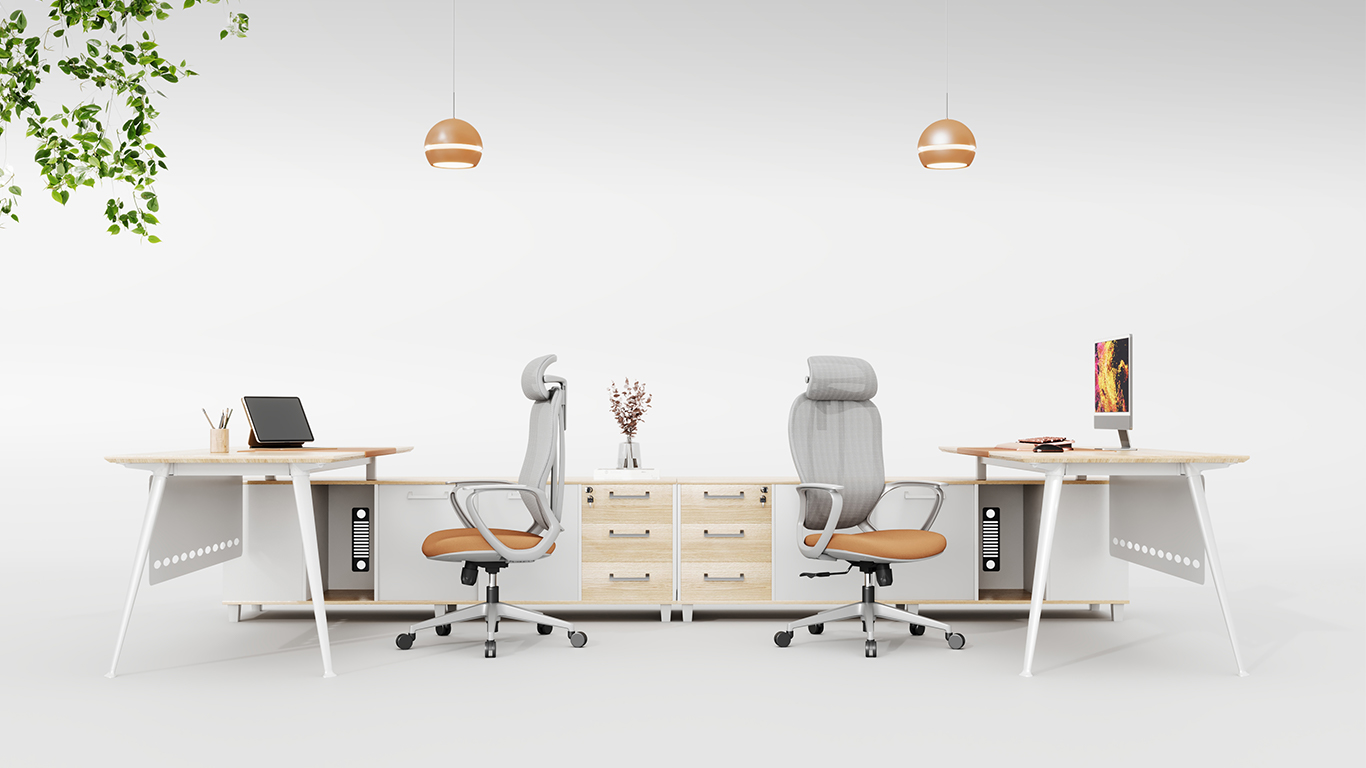
Instead of assigning everyone a single type of workstation, successful workplaces offer a variety of settings. Height adjustable desks for individual work. Lounge areas for informal discussions. Quiet rooms for focus. Small enclosed spaces for calls and virtual meetings.
Choice empowers employees to match their environment to their task. This autonomy leads to better engagement, higher satisfaction, and stronger performance. People stop fighting the space and start using it.
The key is balance. Too many options create confusion. Too few create frustration. The best offices curate choice with purpose.
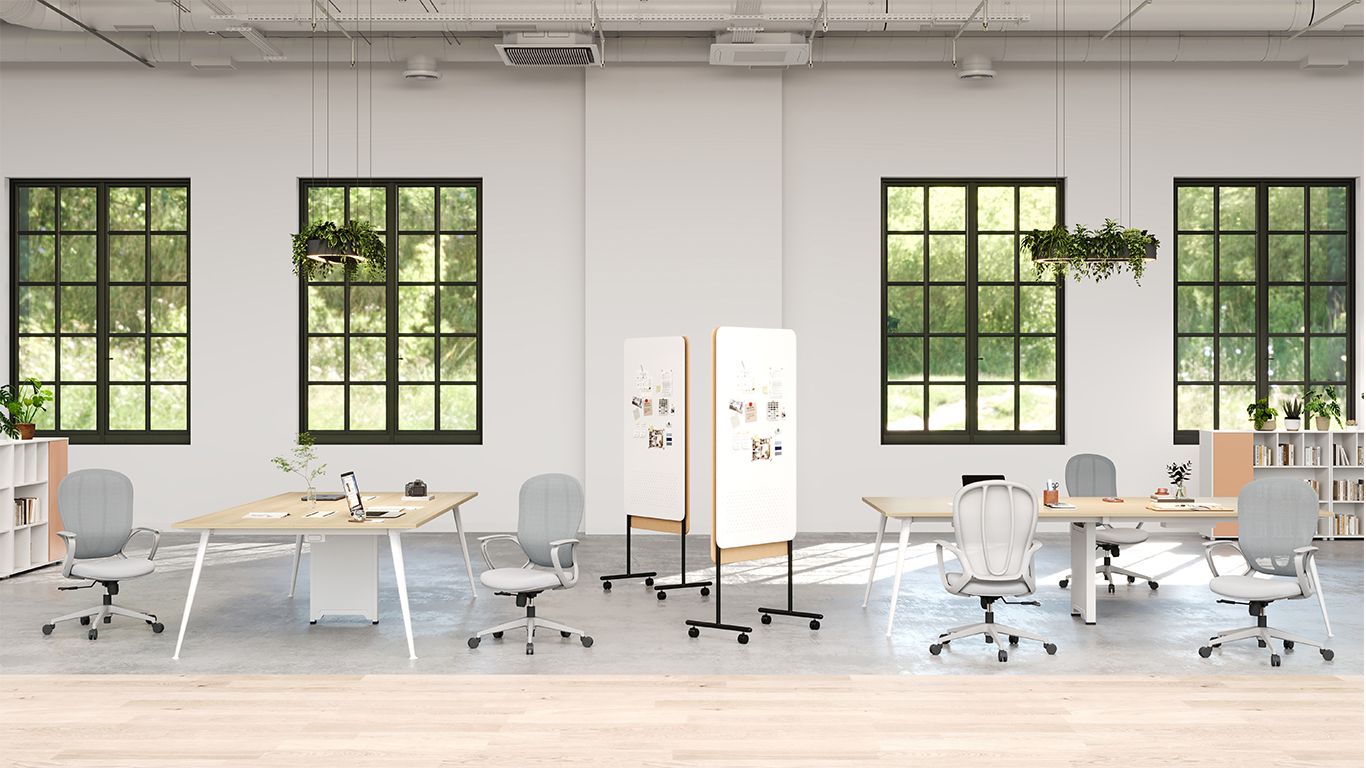
In a well designed hybrid office, technology and furniture do not demand attention. They quietly support work.
Integrated power and data. Lighting that adapts to different activities. Furniture that adjusts to the human body, not the other way around. Acoustic solutions that work in the background without visually dominating the space.
These elements reduce cognitive load. People focus on work, not on fixing their environment.
The ultimate test of a hybrid office is simple. Do people want to be there?
When efficiency and privacy coexist, the office becomes a destination. A place where work feels easier, more human, and more meaningful than working alone. It supports collaboration without chaos and focus without isolation.
In the hybrid era, the office succeeds not by doing everything, but by doing the right things well. Designing spaces that respect how people really work today is no longer optional. It is the foundation of a resilient, future ready workplace.

