

2026-08-20 Author:Ofiexperts
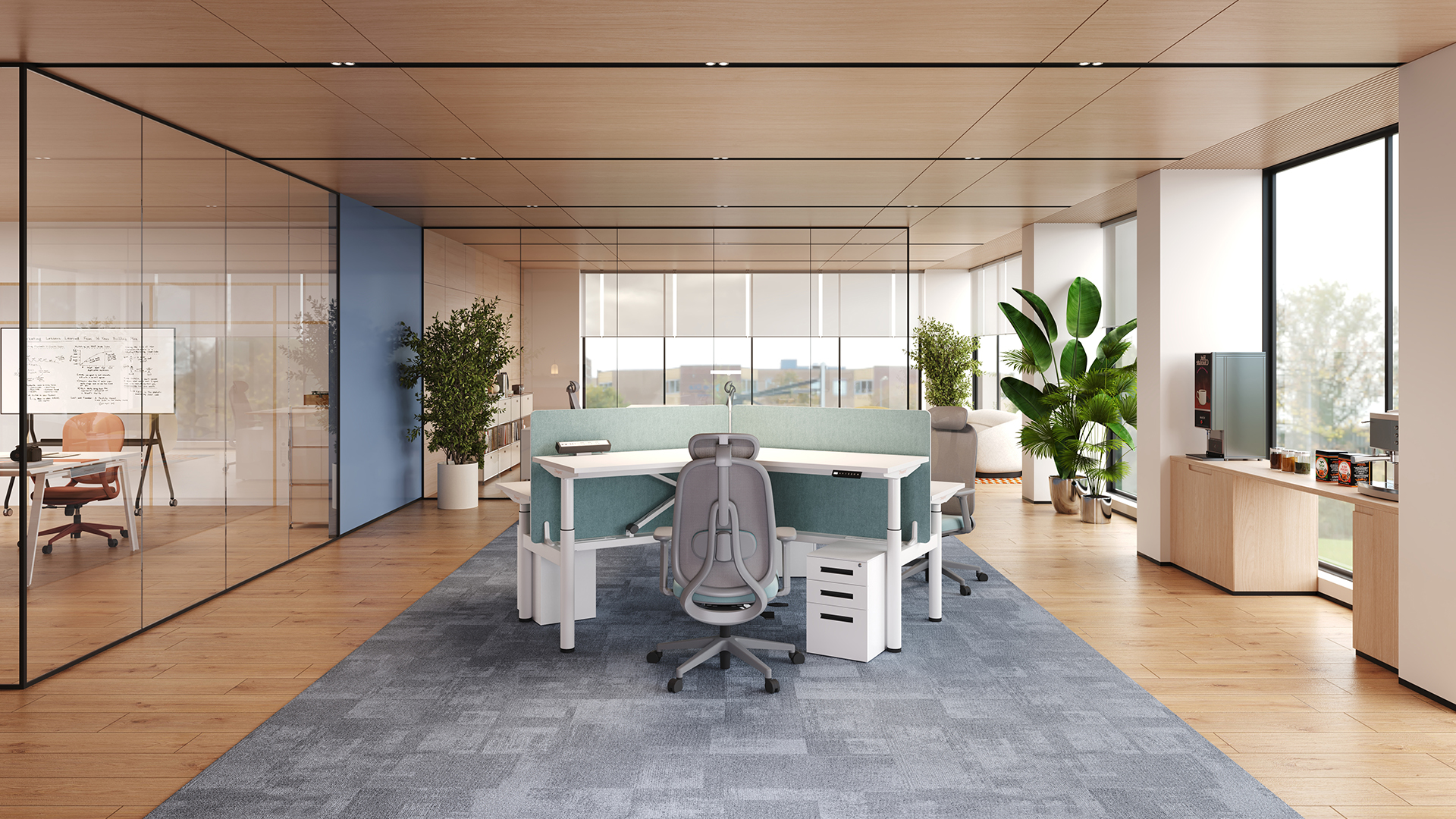
For decades, physical discomfort at work was treated as an inevitable trade-off of modern professional life. A stiff neck from staring at low monitors, lower back aches from rigid chairs, and chronic wrist strain were simply accepted as the cost of doing business. Today, empirical data paints a starkly different picture: ignoring physical comfort in the workplace is a massive, hidden tax that drains corporate profits and compromises employee health.
The Staggering Financial and Medical Toll
The economic impact of poor workplace ergonomics begins with medical claims. According to the U.S. Occupational Safety and Health Administration (OSHA), work-related Musculoskeletal Disorders (MSDs)—such as back injuries, carpal tunnel syndrome, and chronic tendinitis—account for roughly 33% of all worker injury and illness cases.
In the United States alone, businesses spend between $15 billion and $20 billion annually in direct workers’ compensation costs tied to ergonomic hazards. When factoring in indirect expenses—such as administrative overhead, legal fees, and hiring temporary staff—the true financial burden easily surpasses $50 billion each year.
The Hidden Tax on Productivity and Retention
Beyond direct medical costs lies an even larger threat to organizational health: lost productivity. Physical discomfort directly degrades focus, stamina, and cognitive output.
– Presenteeism: Employees struggling with chronic physical strain rarely perform at peak capacity. Research on occupational health indicates that “presenteeism”—working while physically uncomfortable or in pain—reduces individual workplace productivity by 15% to 20%.
– Absenteeism: Data from the Bureau of Labor Statistics shows that workers suffering from MSDs require an average of 11 to 12 days off to recover—far exceeding the recovery time required for most other non-fatal workplace injuries.
– Employee Turnover: Daily physical discomfort drives frustration and accelerates burnout. In a competitive job market, top talent will routinely choose employers who prioritize physical well-being over those who treat workstation design as an afterthought.
Ergonomics as a High-ROI Business Strategy
Treating physical comfort as a luxury perk or a purely aesthetic design choice is a costly misconception. Investing in ergonomic workplace solutions—such as fully adjustable task seating, dynamic sit-stand desks, monitor arms, and supportive accessories—delivers measurable, long-term financial returns.
Case studies compiled by the Washington State Department of Labor & Industries demonstrate the transformative impact of ergonomic upgrades:
– 60% average reduction in musculoskeletal disorders and compensation claims.
– 25% increase in work throughput and task accuracy.
– 50% decrease in employee turnover rates.
In fact, ergonomic workplace interventions routinely yield a $3 to $10 ROI for every $1 invested through lowered healthcare claims, reduced absenteeism, and heightened output.

