

2026-11-18 Author:Ofiexperts
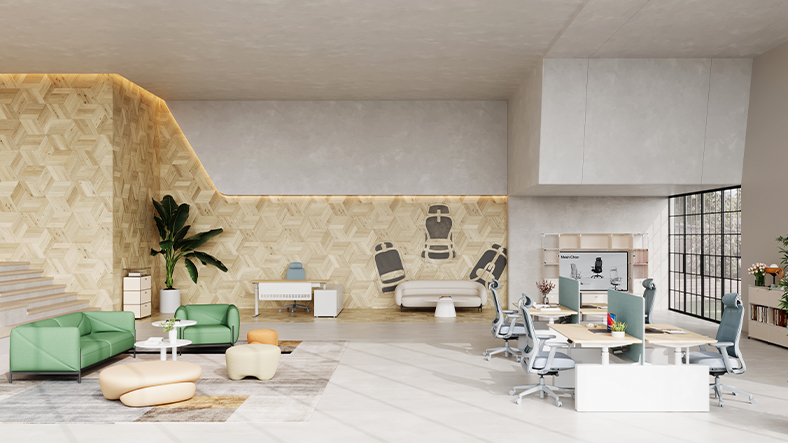
The modern office is undergoing a fundamental transformation. The traditional workplace, once built around fixed desks, uniform seating arrangements, and clearly defined working hours, is gradually giving way to more flexible, collaborative, and human-centered environments. As the way people work continues to change, office furniture must evolve alongside it.
But what exactly is driving this change?
Hybrid Work Is Redefining the Office
Hybrid working has changed the purpose of the physical office. Rather than simply providing a place for employees to sit and complete individual tasks, offices are increasingly becoming spaces for collaboration, communication, and team connection.
According to JLL’s 2025 Workforce Preference Barometer, 72% of employees globally view return-to-office policies positively. However, 38% believe the office experience still needs improvement to meet their expectations for flexibility and wellbeing.
This shift creates new demands for office furniture. Fixed workstations are no longer sufficient for every working style. Height-adjustable desks, mobile furniture, modular seating, and adaptable meeting tables allow companies to create spaces that respond to different activities throughout the day.
Employee Wellbeing Is Becoming a Priority
Productivity is closely connected to the physical environment in which people work. Long hours of sitting, poor posture, and uncomfortable seating can gradually affect employee health, concentration, and overall job satisfaction.
As businesses place greater emphasis on workplace wellbeing, ergonomic furniture is becoming an essential part of office planning rather than an optional upgrade.
Adjustable chairs, sit-stand desks, supportive lumbar systems, and thoughtfully designed workstations help employees maintain healthier working habits. Features such as height memory settings and sedentary reminders also encourage more movement throughout the working day.
The goal is not simply to make furniture more comfortable, but to create an environment that supports employees over the long term.
Flexibility Is Replacing One-Size-Fits-All Design
Today’s offices need to accommodate different tasks, personalities, and working preferences. An open workspace may encourage communication, but it can also create distractions when employees need to concentrate.
This is why modern office design increasingly combines different functional zones, including collaborative areas, quiet spaces, informal meeting corners, and private workstations.
Furniture plays a central role in making these spaces work. Modular sofas, flexible partitions, acoustic booths, and movable seating give businesses greater freedom to reorganize their environments without completely redesigning the office.
According to Gensler’s 2025 Global Workplace Survey, employees with greater choice over where and how they work are 2.5 times more likely to feel that their workplace supports both individual and team productivity.
Technology and Sustainability Are Shaping the Next Generation
Technology is also influencing furniture design. Smart height-adjustable desks, integrated charging solutions, intelligent controls, and adaptable workstation systems are becoming increasingly relevant as digital tools reshape everyday work.
At the same time, sustainability is changing how businesses evaluate furniture investments. Durability, repairability, responsible material selection, and long product lifecycles are receiving greater attention. Companies are beginning to look beyond initial purchase prices and consider the long-term value of their furniture.
This makes thoughtful design and reliable manufacturing more important than ever.
Looking Ahead
The future of the office will not be defined by a single design trend or furniture category. It will be shaped by how effectively the workplace responds to people, technology, and changing business needs.
For furniture manufacturers and office solution providers, the challenge is clear: creating products that are not only functional and visually appealing, but also adaptable, comfortable, and built to last.
At Ofiexperts, we believe great office furniture should evolve with the way people work. By combining thoughtful design, practical functionality, and flexible workspace solutions, we aim to help businesses create environments that are ready for the future.

