

2026-07-10 Author:Ofiexperts
For decades, the standard office layout was built around an unspoken, flawed assumption: that the human body and mind are infinitely adaptable. Employees were expected to mold themselves to whatever furniture and spatial configurations were provided. They sat in rigid chairs for eight hours, stared at poorly positioned screens under harsh fluorescent lights, and navigated constant cognitive distractions.
The consequences of this paradigm are no longer up for debate. Today, a growing body of research confirms that when we force people to compromise their physical and cognitive boundaries, productivity plummets and health risks skyrocket. Designing a successful workspace is no longer about maximizing the number of desks you can squeeze onto a floor plate; it is about building environments that respect human biological limits.
The True Cost of Ignoring the Body
The human body was designed to move, yet the average office worker spends roughly 70% to 80% of their workday seated. This sedentary behavior is not just a comfort issue; it is a clinical one.
According to data from global ergonomic studies, musculoskeletal disorders (MSDs)—such as chronic lower back pain, carpal tunnel syndrome, and neck strain—account for over 30% of all workplace injuries and lost workdays. The financial toll on businesses is immense, costing billions annually in medical claims, absenteeism, and “presenteeism,” where employees are physically present but too uncomfortable to work effectively.
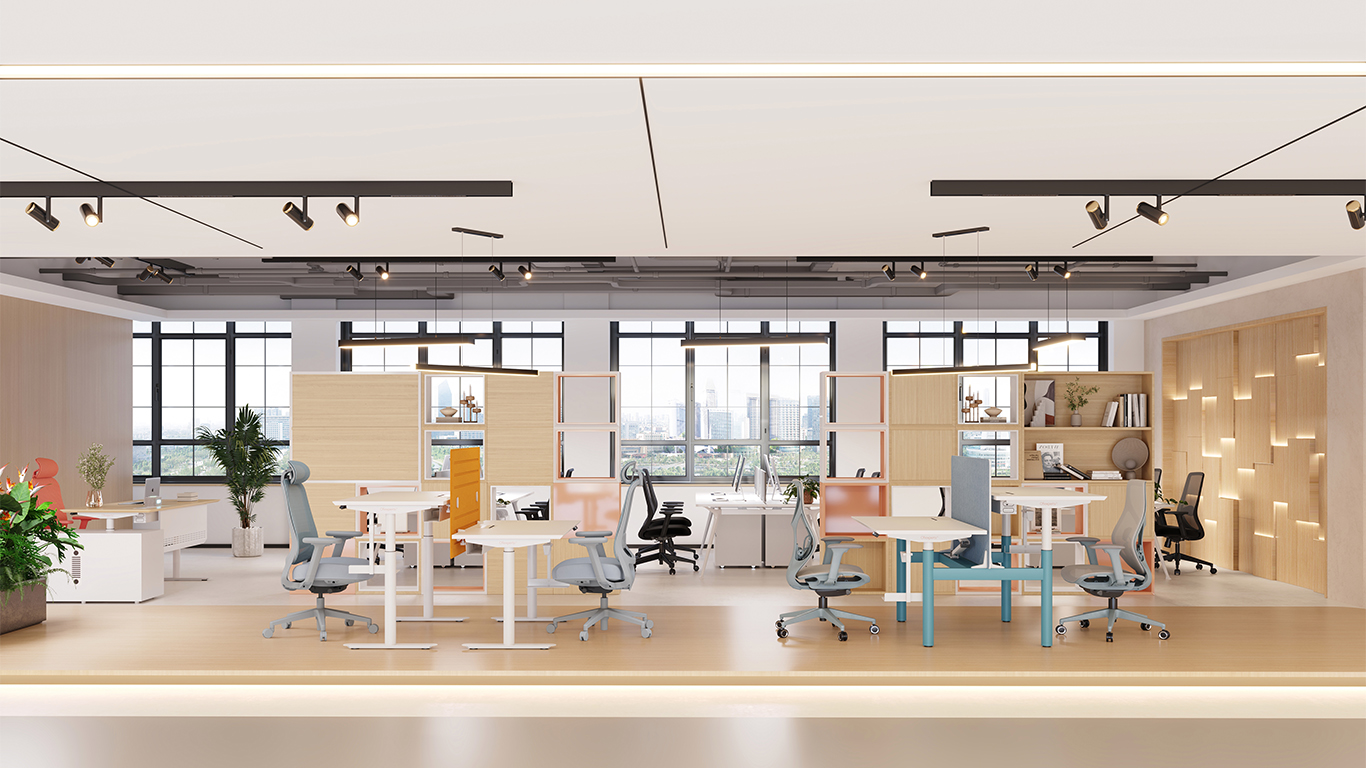
When a workspace respects physical limits, it treats movement as a necessity rather than a luxury. This is why high-performance task chairs must offer active lumbar support that moves with the user’s spine, preventing the slouching that places up to 190% more pressure on the lumbar discs compared to standing. Furthermore, height-adjustable sit-stand desks allow transitions between sitting and standing throughout the day. Studies show that alternating between sitting and standing every 30 to 45 minutes significantly lowers fatigue and reduces upper back and neck pain by up to 54%. By providing tools that adapt to the individual, companies can actively mitigate the physical friction of a desk job.
Managing the Cognitive Load
Human limits are not merely physical; our cognitive capacity is equally finite. The modern open-plan office was originally praised for fostering collaboration, but it overlooked a fundamental human trait: our brains have a strict limit on auditory and visual processing.
Research reveals that nearly 60% of office workers identify noise distraction as their primary workplace grievance. When people are subjected to constant background chatter, their cognitive performance drops. In fact, studies show that it takes an average of 23 minutes to regain deep focus after a single disruption.
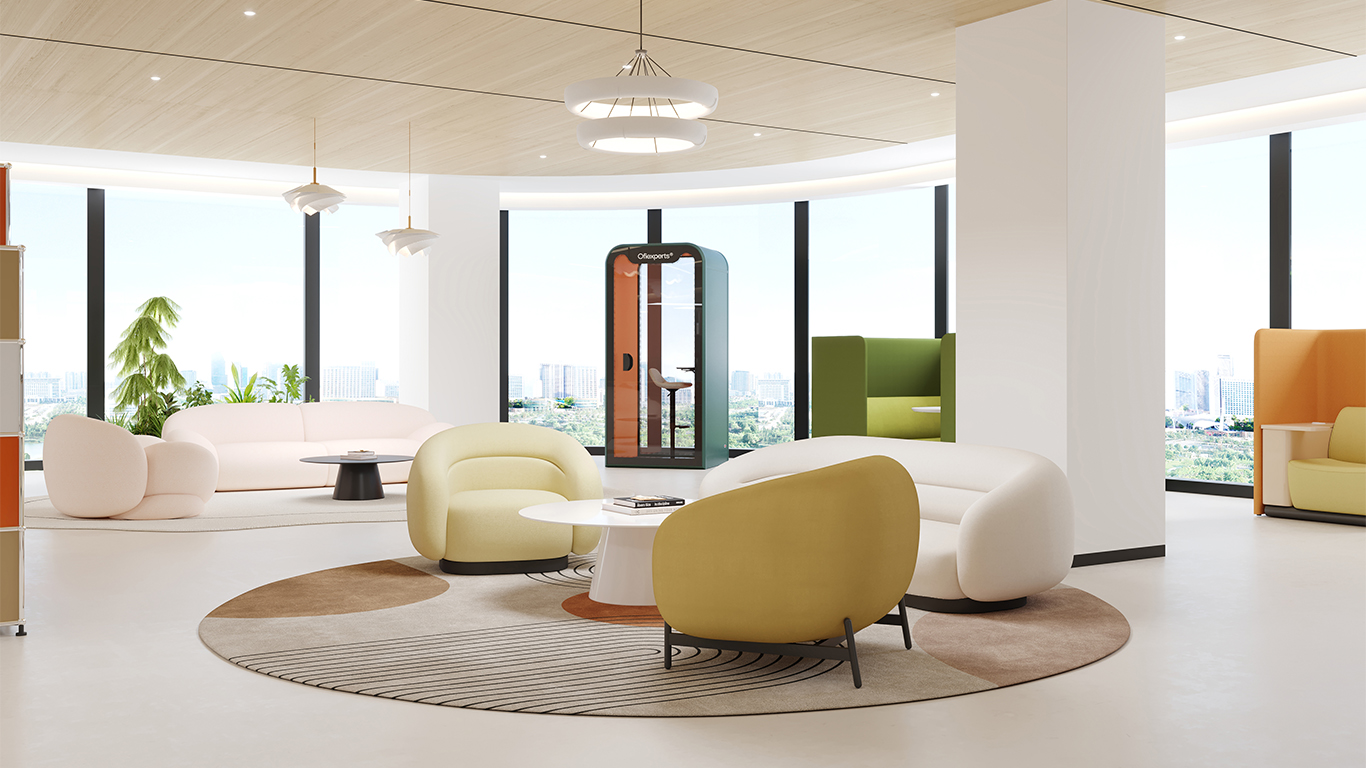
A workspace that respects cognitive limits moves away from the “one-size-fits-all” layout and embraces Activity-Based Working. This design philosophy structures the office into dedicated zones based on psychological needs. For example, focus zones utilize acoustic panels and quiet policies for deep, uninterrupted work, while separate collaboration hubs handle creative brainstorming. Finally, dedicated regeneration spaces with comfortable lounge furniture and soft lighting allow for mental resetting. When employees can align their physical environment with their mental tasks, cognitive fatigue drops and creative output rises.
Light, Nature, and Biological Rhythms
Our biology is governed by a 24-hour internal clock known as the circadian rhythm, which dictates our energy levels, focus, and sleep quality. Forcing employees to sit under static, artificial light far from windows disrupts this rhythm, leading to afternoon slumps and chronic fatigue.
The Human Spaces report on biophilic design found that employees working in environments with natural elements—like sunlight and indoor plants—report a 15% higher level of well-being and are 6% more productive than those in sterile environments. Furthermore, workers in offices with windows receive significantly more light exposure during the day and sleep an average of 46 minutes more per night than workers in windowless offices. Respecting this biological limit means prioritizing daylight architecture, integrating indoor greenery, and using smart lighting systems that mimic the natural progression of the sun.
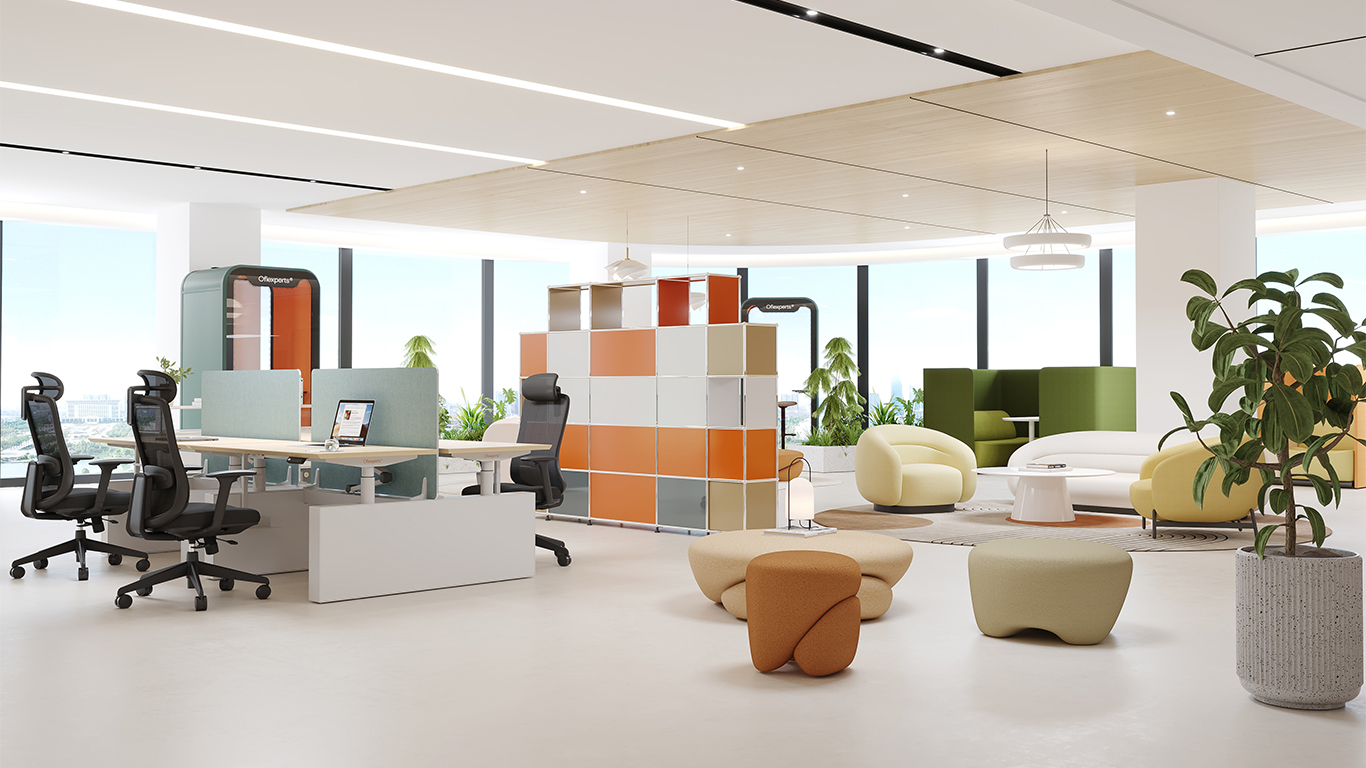
Ultimately, creating workspaces that respect human limits is not a compromise on business efficiency—it is an investment in it. A premium workspace is not defined by superficial perks or flashy aesthetics; it is defined by how seamlessly it supports the natural capabilities and boundaries of the human being.
When people are free from physical pain, spared from constant distraction, and supported by their environment, they do not just work better, they feel better. For forward-thinking organizations, providing expert, human-centric office solutions is no longer optional; it is the ultimate competitive advantage.

