

2026-07-03 Author:Ofiexperts
When an organization invests in high-performance, human-centered seating, it makes a clear psychological statement: we value your longevity.
Ergonomics is not a luxury; it is a foundational pillar of cognitive endurance. When a chair mirrors the natural, fluid movement of the human spine, it removes the physical friction of work.
-Data from the International Ergonomics Association (IEA) reveals that integrating advanced ergonomic work settings yields a median 15% increase in productivity.
-More importantly, it drives a 60% reduction in musculoskeletal disorders (MSDs).
From a behavioral perspective, providing a user with continuous, adaptive lumbar support and intuitive, weight-activated mechanisms communicates a deep sense of organizational empathy. It says, “We expect your best thinking, so we have engineered an environment that protects your physical well-being.” It shifts the employee’s mindset from short-term endurance to sustainable, high-level performance.
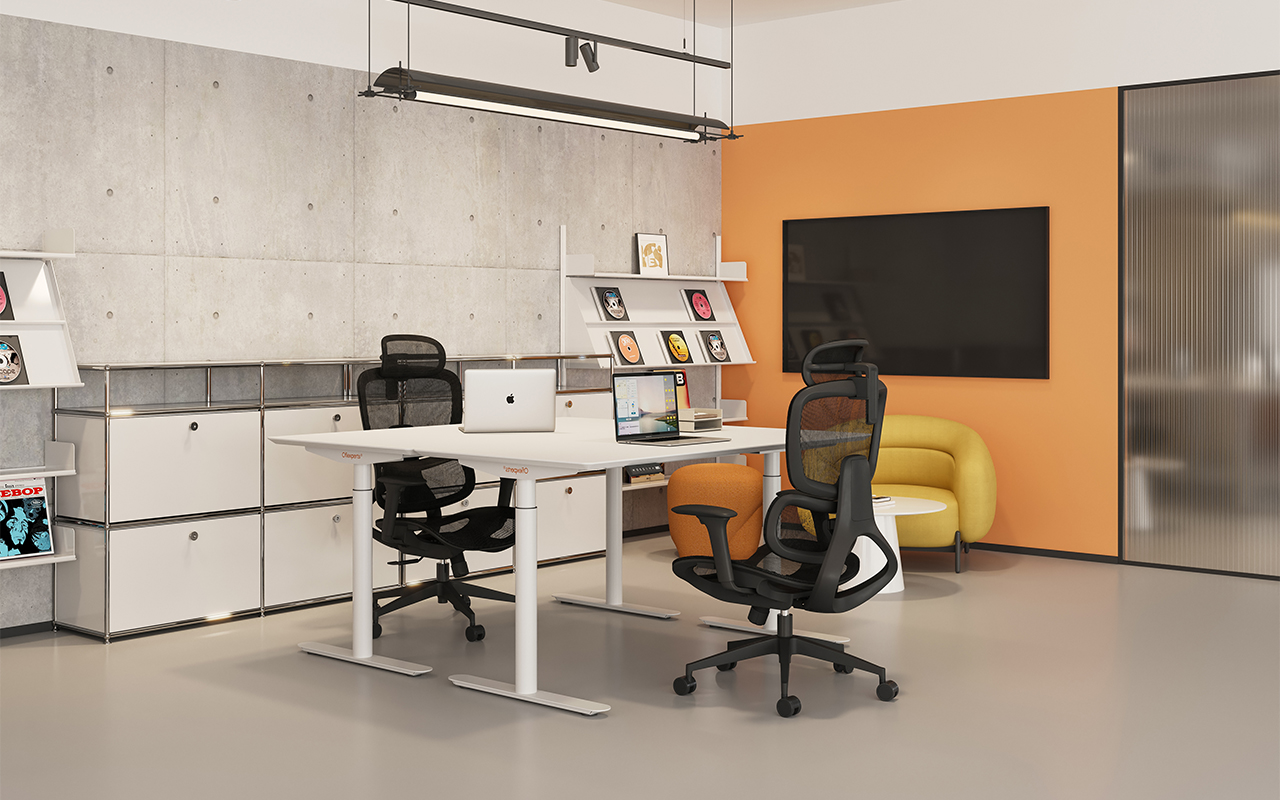
Historically, the corporate chair was an instrument of hierarchy. The higher the rank, the taller the backrest, the thicker the padding, and the more imposing the silhouette. This traditional approach created a visual caste system that reinforced silos and stifled open dialogue.
Progressive, forward-thinking organizations use design to flatten these boundaries. By deploying a uniform, high-tier seating standard across the entire floor plan, from the collaborative touchdown spaces to the executive boardroom, a company visually encodes a culture of radical equality.
It signals that every voice matters, and every individual’s focus is equally critical to the collective mission. In these spaces, status is no longer derived from the scale of your throne, but from the quality of your ideas.
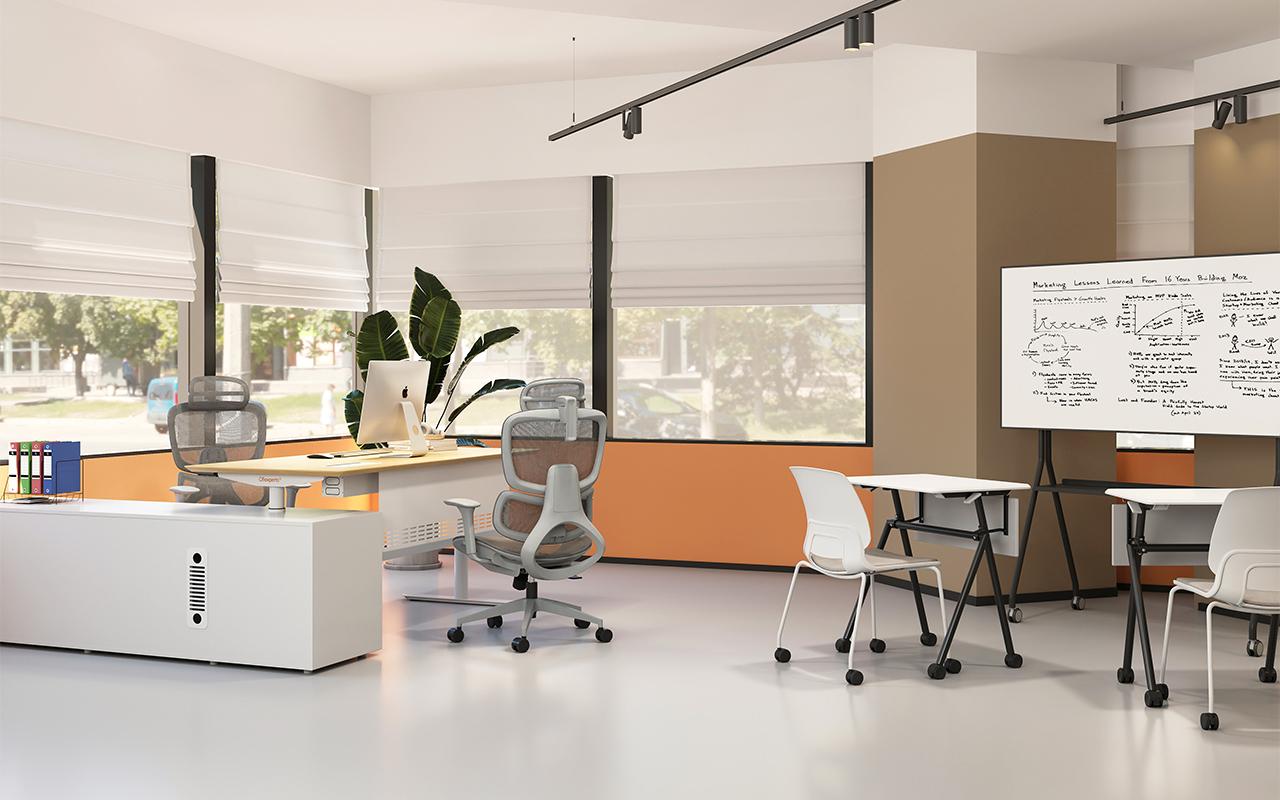
The variety of seating within a space maps the cognitive rhythm of the company. A workplace anchored exclusively by rigid, heavy task seating suggests an assembly-line mentality, a belief that work only happens when an individual is tethered to a single coordinate.
Conversely, a landscape that blends highly responsive, mobile task chairs with casual collaborative lounges and active-sitting perches signals agility and trust.
Giving people the agency to choose how, where, and next to whom they work satisfies a fundamental psychological need: autonomy. According to research published by the American Psychological Association (APA), workplace autonomy is one of the highest predictors of structural engagement and job satisfaction. When a team member can transition effortlessly from a posture of deep individual focus to an upright, collaborative stance for an impromptu critique, the chair ceases to be a piece of furniture. It becomes a tool for creative momentum.
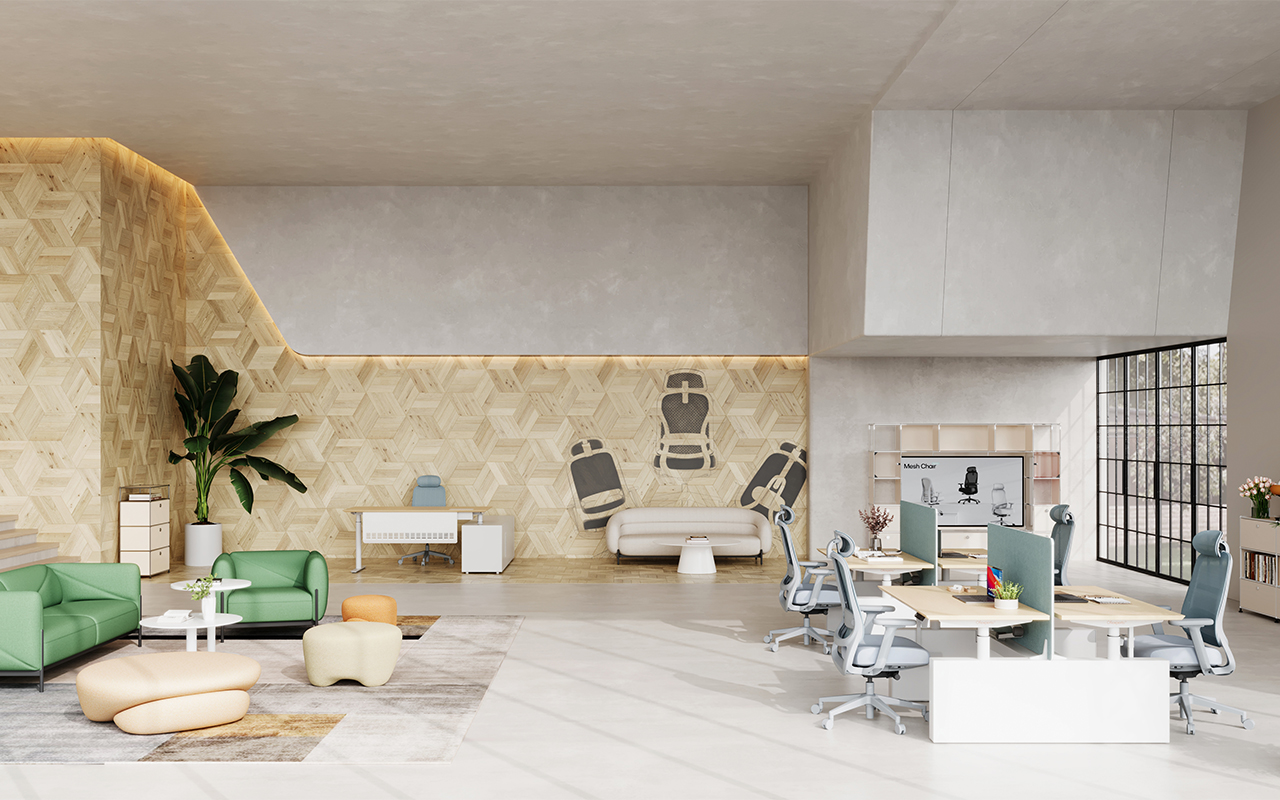
Every space is a story told in physical form.
A workplace populated by thoughtful, beautifully resolved, and highly supportive seating tells a story of an empathetic, detail-oriented, and future-proof culture. It recognizes that the human body was made to move, and that when you support the body completely, you free the mind to innovate.
Don’t read a company’s mission statement to understand its culture. Look at the chairs they ask their people to inhabit. That is where the real truth of the organization is engineered.

