

2026-11-12 Author:Ofiexperts
Sustainability in the furniture industry is often associated with recycled materials, environmentally friendly manufacturing, and low-carbon production. However, one important factor is sometimes overlooked: product durability. The longer a piece of furniture remains functional and in use, the less frequently it needs to be replaced. This makes durability one of the most practical ways to reduce the environmental impact of furniture.
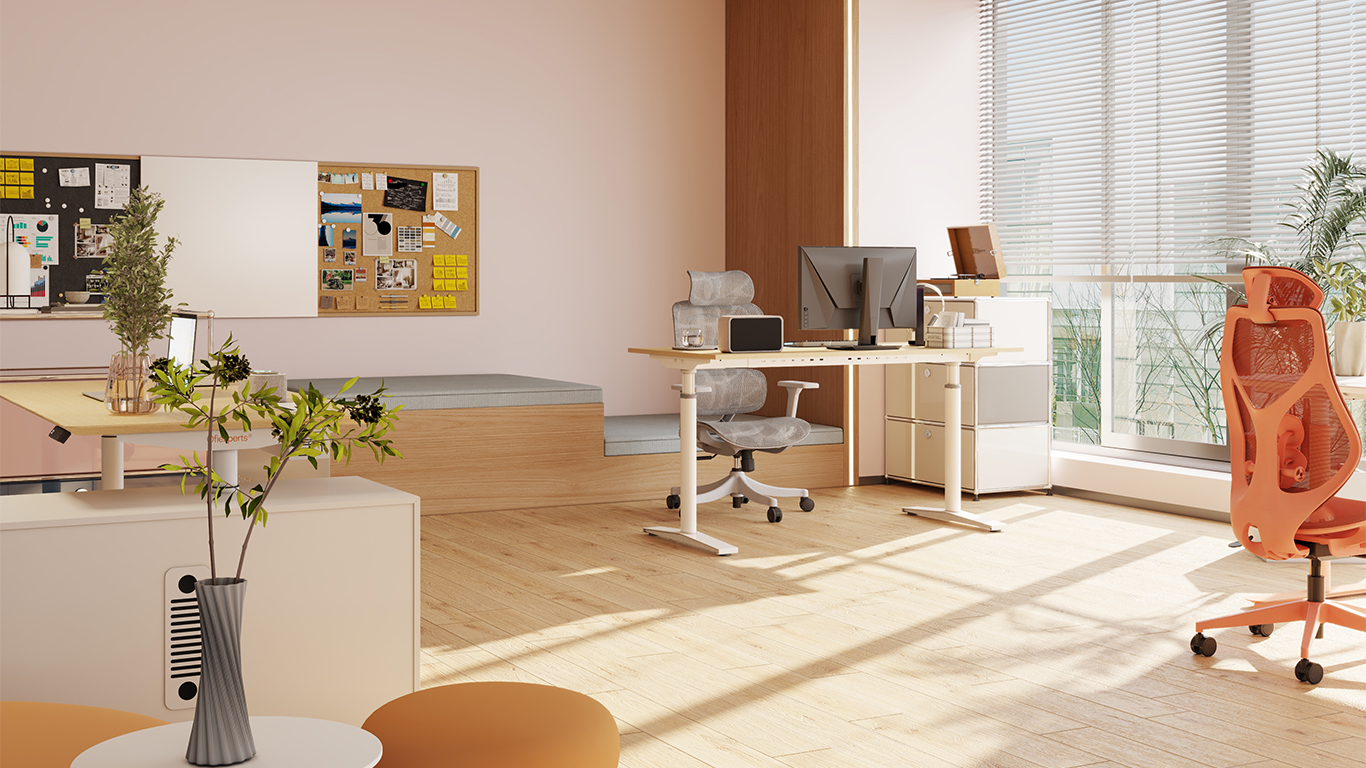
Extending Product Lifespan Reduces Waste
Every furniture product requires raw materials, energy, water, and transportation throughout its production and distribution. When furniture is replaced prematurely, these resources must be consumed again to manufacture and deliver its replacement. At the same time, the discarded products contribute to growing waste streams.
According to the US Environmental Protection Agency (EPA), approximately 12.1 million tons of furniture and furnishings entered the US municipal solid waste stream in 2018. This figure highlights the scale of the challenge facing the industry. Designing products that last longer can help reduce unnecessary disposal and slow the demand for new resources.
Durable furniture addresses this issue at its source. Strong structural components, reliable mechanisms, wear-resistant surfaces, and quality materials all contribute to a longer service life. Instead of treating replacement as a routine expense, businesses can make better use of the products they already own.
A Longer Lifespan Means a Lower Environmental Footprint
The environmental impact of furniture does not end when it leaves the factory. Transportation, installation, maintenance, and eventual disposal all contribute to its overall footprint. Frequent replacement increases the cumulative impact of these activities.
For office environments, this is particularly relevant. Desks, ergonomic chairs, storage units, and lounge furniture are used every working day, often by multiple people. Products designed to withstand intensive use can remain in service for years, reducing the need for repeated manufacturing, shipping, and disposal.
Repairability is equally important. Replaceable components, accessible spare parts, and modular designs allow businesses to maintain furniture rather than discard entire products when individual parts wear out. This approach supports a more circular model of consumption.
Durability Also Makes Business Sense
Sustainability and cost efficiency are not competing priorities. In many cases, they reinforce each other.
Although durable furniture may require a higher initial investment, its total cost of ownership can be considerably lower over time. For example, a chair that costs more but lasts twice as long may offer better long-term value than a cheaper alternative that requires frequent replacement. Maintenance, downtime, procurement administration, and disposal costs should also be considered when evaluating the real cost of furniture.
For businesses managing large office projects, these considerations can have a meaningful impact on long-term budgets.
Building a More Sustainable Workspace
The future of sustainable office design should not focus solely on buying products made from greener materials. It should also consider how long those products can serve people, how easily they can be maintained, and whether they can adapt to changing workplace needs.
At Ofiexperts, we believe that good furniture should deliver lasting value through thoughtful design, dependable quality, and practical functionality. By prioritizing durability, businesses can create workspaces that support productivity while making more responsible use of resources.
Ultimately, the most sustainable piece of furniture may not be the one that is replaced with the latest eco-friendly model, but the one that continues to perform reliably for years.

