

2026-11-27 Author:Ofiexperts
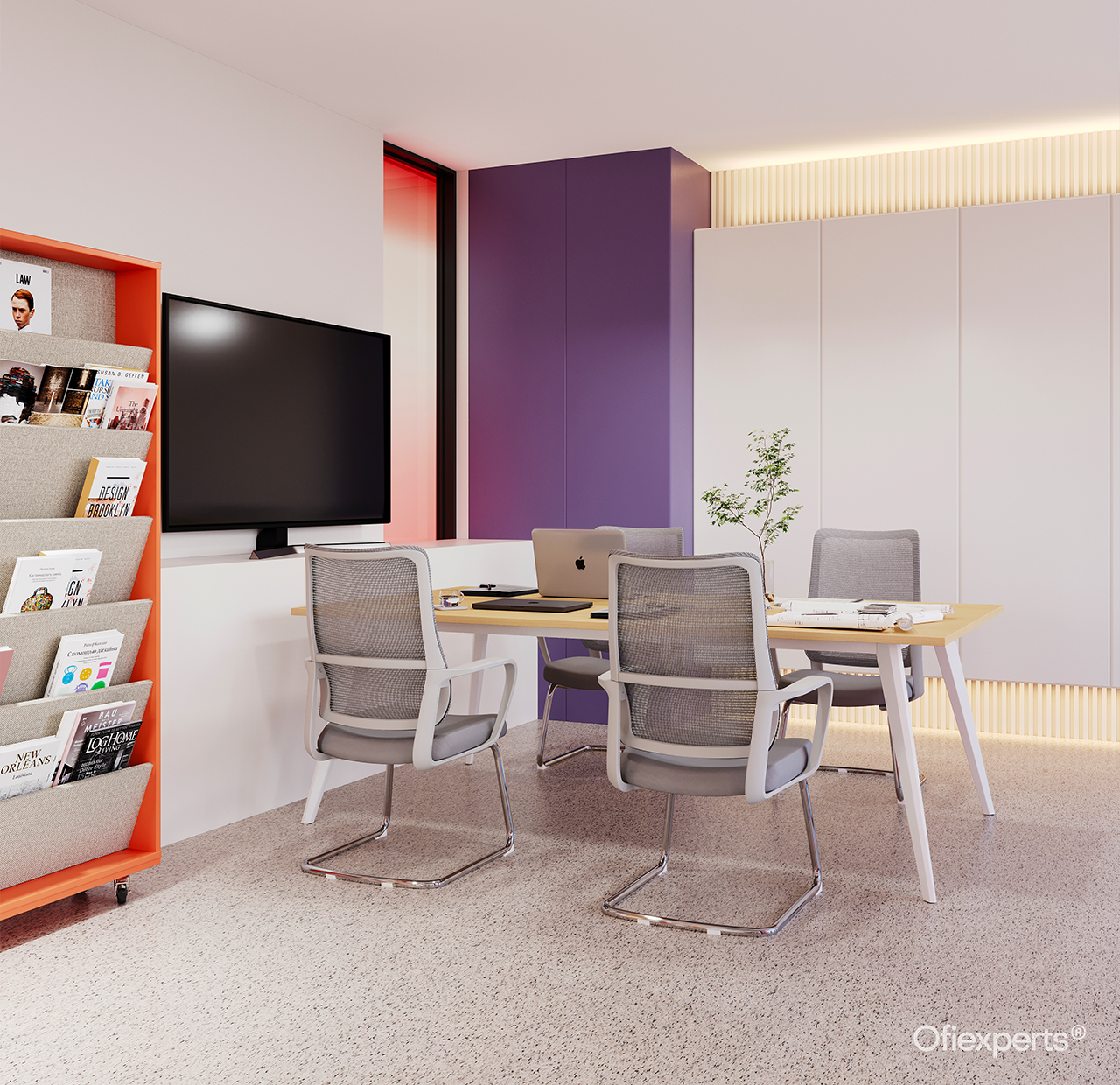
For decades, office environments were designed around a relatively simple idea: employees had assigned desks, fixed seating arrangements, and standardized workstations. This approach suited traditional working patterns, where people spent most of their day performing similar tasks in the same place. However, as business operations evolve and employee expectations change, the limitations of static office environments are becoming increasingly apparent.
Today’s workplace needs to do more than provide a desk and a chair. It must respond to different working styles, support collaboration, encourage individual focus, and adapt to changing organizational needs. The shift from static to responsive workspaces is therefore becoming an important part of modern workplace design.
The Changing Nature of Work
One of the biggest drivers behind this transition is the growing diversity of workplace activities. An employee may spend the morning attending online meetings, the afternoon collaborating with colleagues, and later require a quiet environment for concentrated work. A single, fixed workstation cannot always accommodate these different demands effectively.
According to Gensler’s workplace research, employees increasingly value having access to a variety of work settings rather than relying on one standard office arrangement. This reflects a broader shift in workplace planning: flexibility is no longer simply an additional feature but an essential consideration in creating effective working environments.
A responsive workspace recognizes that different tasks require different physical conditions. Instead of organizing an office around individual desks alone, companies are increasingly incorporating collaborative zones, private meeting areas, quiet spaces, and flexible workstations into their layouts.
Furniture as an Enabler of Flexibility
Furniture plays a fundamental role in making this transition possible. Height-adjustable desks, ergonomic seating, modular sofas, and movable tables allow employees to adjust their working environment according to their needs. These solutions make it easier to switch between individual work, informal discussions, and collaborative activities without requiring major changes to the office layout.
Height-adjustable desks, for example, introduce greater flexibility into everyday work routines by allowing users to alternate between sitting and standing. This is particularly relevant in modern offices, where reducing prolonged sedentary behaviour has become an important consideration. The World Health Organization recommends limiting sedentary time and replacing it with physical activity of any intensity to improve health outcomes.
Meanwhile, modular furniture and mobile workstations help businesses make better use of available space. Meeting areas can be reconfigured for different group sizes, while flexible seating arrangements allow offices to adapt as teams grow or organizational requirements change.
Technology and Employee Experience
Technology also contributes to more responsive workspaces. Smart lighting, integrated power solutions, acoustic pods, and digital room-booking systems help employees interact with their surroundings more efficiently. In particular, acoustic booths provide dedicated environments for private conversations, online meetings, and focused tasks, addressing the growing demand for both openness and privacy in modern offices.
Research from the Gensler Research Institute’s 2025 Global Workplace Survey, involving more than 16,800 office workers across 15 countries, found that employees with greater choice in how and where they work are 2.5 times more likely to say their workplace supports both individual and team productivity. This highlights the importance of giving employees greater control over their working environment.
Designing for the Future
Moving from static to responsive workspaces does not necessarily mean creating complicated or technology-intensive offices. The real objective is to build environments that can evolve naturally alongside people and businesses.
For companies, this means considering flexibility, ergonomics, durability, and adaptability when making furniture and workspace investment decisions. Furniture should not only meet today’s requirements but also remain practical as workplace needs change over time.
Ultimately, a responsive workspace is one that puts people at the center of its design. By combining thoughtful space planning, adaptable furniture, and supportive technology, businesses can create offices that encourage productivity, strengthen collaboration, and improve everyday working experiences.
The future of office design is not about fitting people into spaces. It is about creating spaces that adapt to people.

