

2026-06-17 Author:Ofiexperts
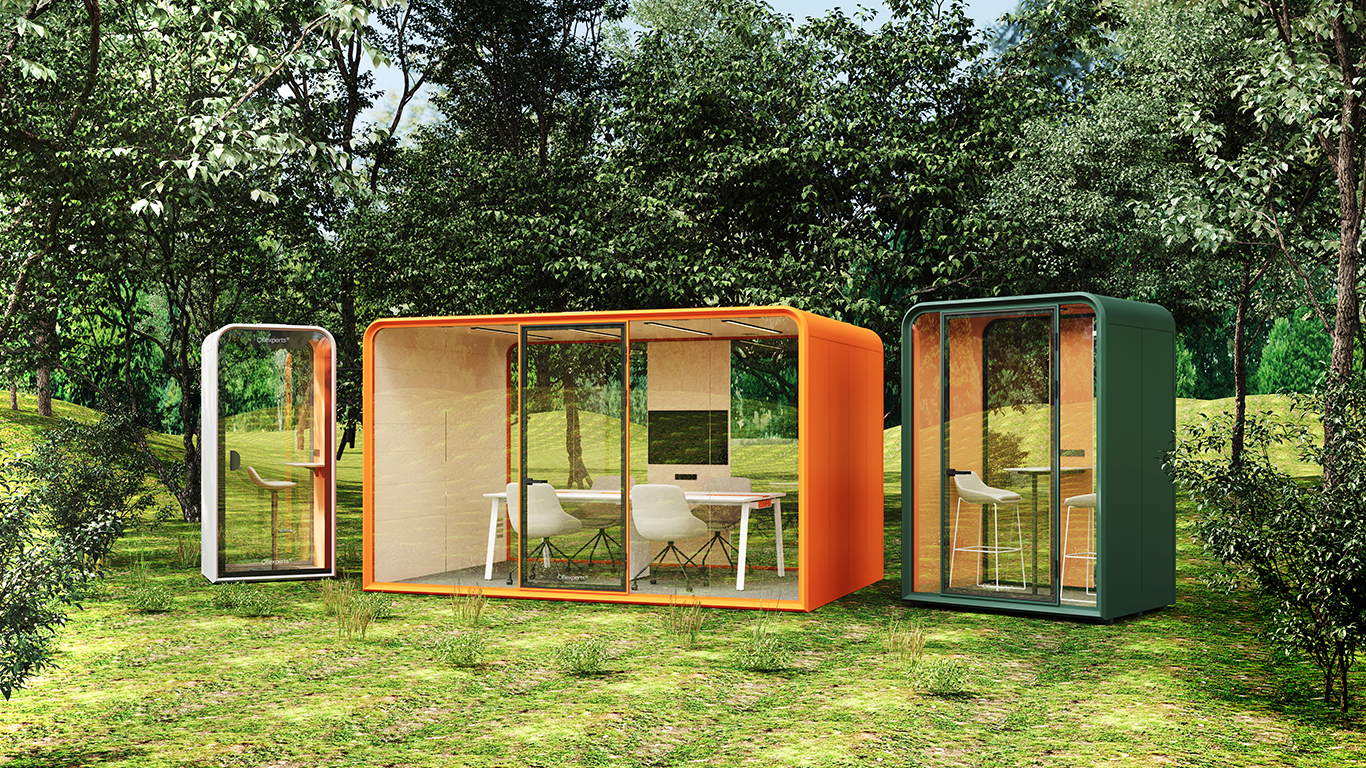
The traditional office is inherently static. For decades, the workplace formula remained unchanged: rows of identical desks, a few sterile meeting rooms, and a fixed layout that forced humans to adapt to the architecture. But as modern work becomes more fluid, collaborative, and digitized, these rigid environments are lagging behind. The future of office design belongs to workspaces that adapt in real time, intelligent, responsive environments that seamlessly reshape themselves around the immediate, shifting needs of the people using them.
Throughout a single workday, an employee might cycle through entirely different modes of work, moving from deep focus that requires absolute silence to active, energetic group brainstorming, and finally to hybrid meetings connecting global teams. A static office cannot support all of these needs simultaneously without creating friction. Real-time adaptable workspaces solve this challenge by treating the physical office not as a rigid container, but as a living ecosystem. This transformation relies heavily on architectural elasticity, where modular furniture systems and flexible acoustic walls can be reconfigured instantly to create private focus pods or open project hubs on demand.
What truly elevates a workspace from merely flexible to genuinely adaptive is the integration of smart technology and environmental data. Modern workspaces are beginning to utilize sensor networks that track occupancy, light levels, and air quality to adjust the surroundings automatically. For instance, circadian lighting systems can shift color temperature throughout the day to mirror natural sunlight, maintaining employee energy levels. Similarly, smart climate controls and localized sound-masking systems can detect shifts in room density or ambient noise, adjusting the air flow and acoustics instantly to preserve comfort without requiring human intervention.
Ultimately, investing in a responsive environment is about prioritizing human autonomy and well-being. When professionals have the agency to change their physical surroundings—their privacy, their light, and their layout, cognitive fatigue drops and productivity rises. By merging innovative, modular furniture craftsmanship with intelligent technology, we can move away from underutilized, fixed square footage and toward agile layouts. The modern office is no longer just a place to house workers; it is a dynamic partner that evolves alongside the workflow of the business in real time.

