

2026-06-17 Author:Ofiexperts
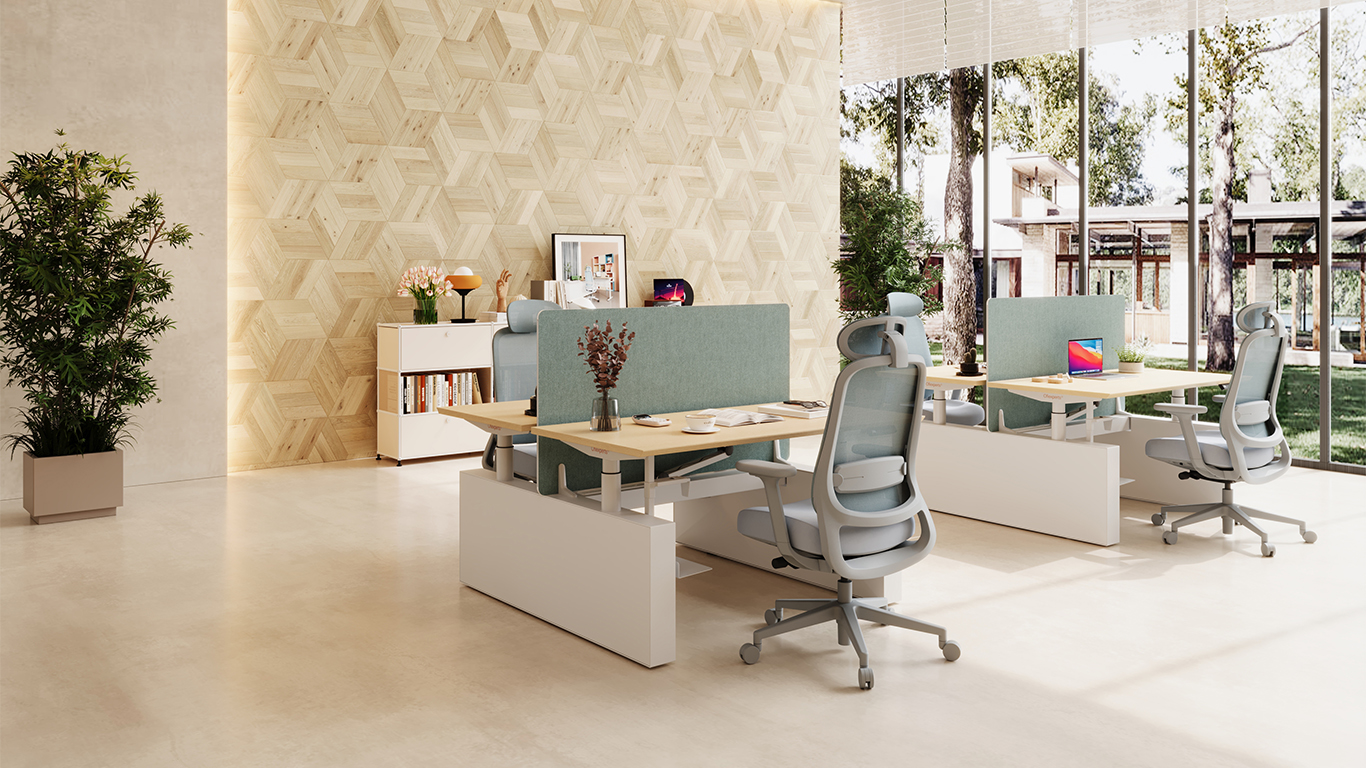
For decades, corporate leadership viewed office ergonomics through a narrow lens. Premium task chairs, height-adjustable workstations, and acoustic privacy screens were categorized as “perks”, optional luxuries designed to attract talent or embellish a modern office footprint. However, as organizations navigate the complexities of productivity and employee retention, a sharp paradigm shift is underway. Comfort is no longer a human resources afterthought; it is a critical business strategy with a direct impact on the bottom line.
The traditional mindset overlooks the immense fiscal drain of workplace discomfort. According to the shifting dynamics of corporate wellness, musculoskeletal disorders (MSDs) caused by poor seating and improper desk setups account for over $20 billion annually in direct workers’ compensation costs in the United States alone. When expanding that to indirect costs, such as absenteeism, medical expenses, and “presenteeism” (employees being physically present but mentally disengaged due to physical pain), the economic toll spikes exponentially.
Conversely, investing in human-centered, ergonomic design yields a staggering return on investment.
A comprehensive study by the Washington State Department of Labor and Industries revealed that implementing systematic ergonomic interventions reduces workplace errors by 67% and slashes employee turnover by 48%.
When a physical workspace adapts intuitively to the human body, supporting optimal posture and reducing physical fatigue, cognitive bandwidth is unlocked. Employees are not distracted by a nagging lower back ache or a stiff neck; instead, they focus entirely on high-level problem-solving and innovation.
Furthermore, dynamic comfort directly shapes corporate culture and brand identity. In a global marketplace where top-tier talent values well-being as much as compensation, a workplace filled with supportive, high-performance furniture sends a clear message: the organization values its human capital. It transforms the office from a rigid grid of desks into an empowering ecosystem.
Ultimately, executive teams must stop treating physical comfort as a concession to employees. When scaled across an entire multinational headquarters or a fast-growing enterprise, high-quality office furniture acts as a force multiplier for efficiency. Comfort is a proactive shield against operational friction, a catalyst for focused deep work, and one of the most reliable fiscal strategies a forward-thinking business can deploy.

